TECHNOLOGY

Wave Inverters: India’s Next-Gen Solar Technology with 97% Efficiency and Smart Monitoring

Jan 202510 min read
Wave Inverters: India’s Next-Gen Solar Technology with 97% Efficiency and Smart Monitoring

What Are Wave Inverters and Why Do They Matter?

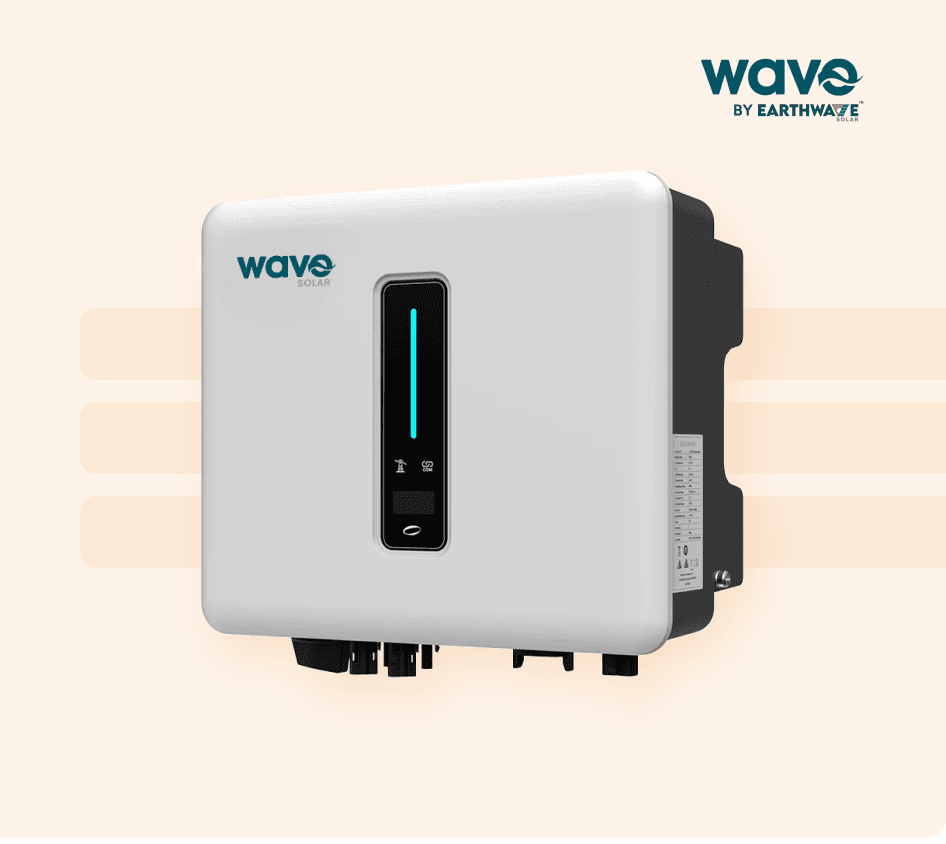
Wave inverters are advanced solar power conversion devices that transform DC electricity from solar panels into AC electricity for your appliances.

The technology uses transformer-less designs that reduce weight, improve reliability, and boost efficiency beyond traditional models. This matters because even a 2–3% improvement in efficiency can translate to thousands of rupees in savings over the inverter’s 10-year lifespan.

Modern wave inverters come in capacities ranging from 2.5 kW for small homes to 125 kW for commercial establishments.

  • Residential rooftop installations
  • Small business operations
  • Large commercial facilities
  • Industrial manufacturing units

Understanding the 97% Efficiency Advantage

How Efficiency Impacts Your Electricity Bills

Standard solar inverters operate at 70–96% efficiency depending on the technology. Wave inverters push this boundary to 97%, meaning less power is wasted as heat.

If panels generate 5 kW DC power, a 70% inverter delivers only 3.5 kW, while a 97% wave inverter delivers 4.85 kW — a massive daily gain.
Technology Behind High Efficiency

  • MPPT Technology for continuous power optimization
  • Transformer-less design reducing power losses
  • Advanced semiconductor power electronics
  • Smart real-time optimization algorithms
Understanding the 97% Efficiency Advantage

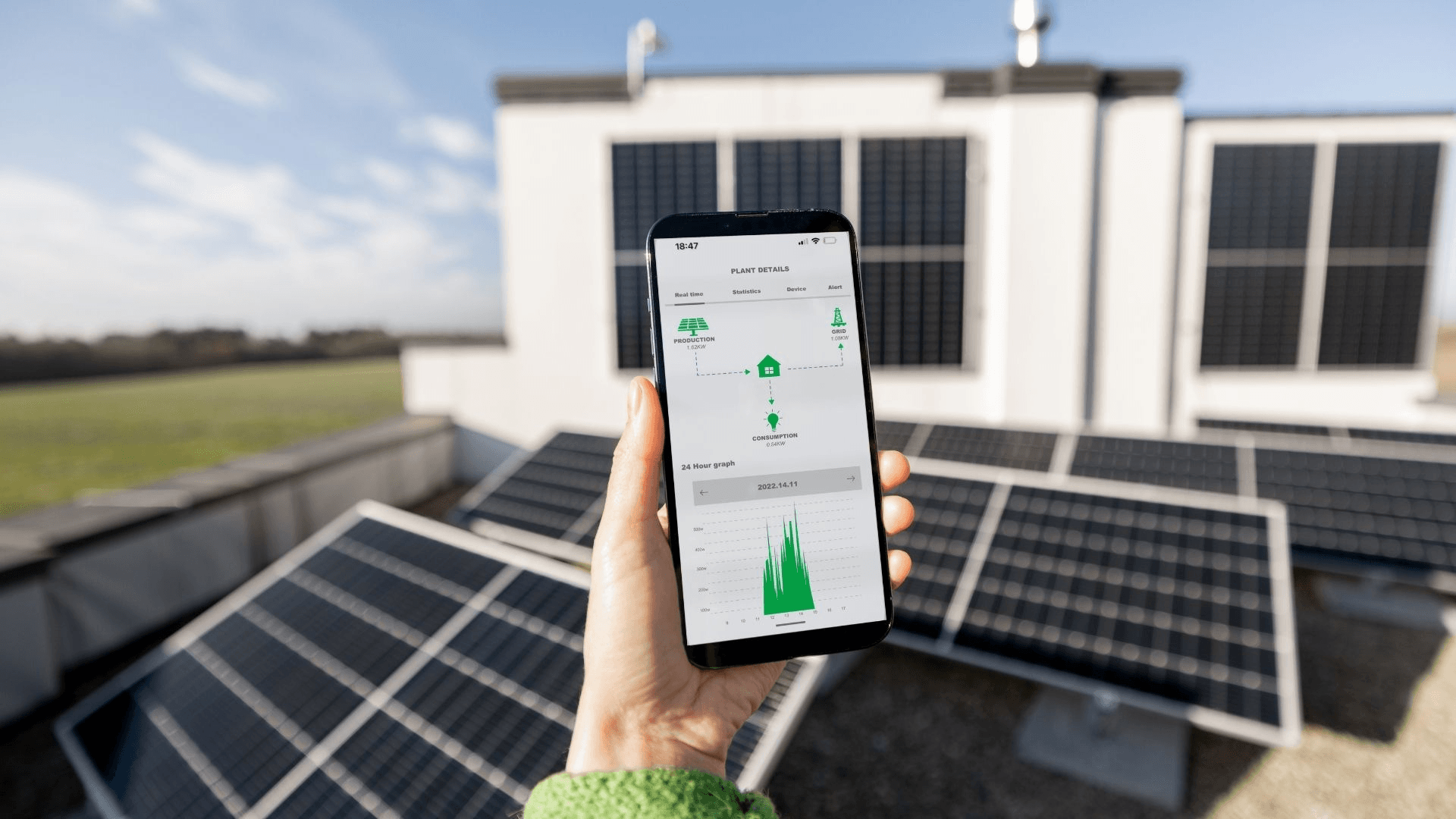
Smart Monitoring: Solar Power Management from Your Smartphone

Real-Time Performance Tracking

  • Live power generation visibility
  • Daily and monthly energy analytics
  • Consumption monitoring
  • Instant performance alerts

Remote Diagnostics and Troubleshooting

  • Wi-Fi, GPRS, RS485 connectivity
  • Remote diagnostics by installers
  • Automatic firmware updates
  • Centralized dashboards for businesses

Wave Inverters vs Traditional Inverters

  • Traditional PWM efficiency: 70–75%
  • Wave MPPT efficiency: 96–97%
  • Traditional power loss: up to 30%
  • Wave inverter loss: under 4%
  • Traditional warranty: 2–5 years
  • Wave inverter warranty: 10 years

Cost vs Value Analysis

  • 20–30% higher daily output
  • Faster ROI in 3–4 years
  • Lower maintenance costs
  • 10–15 year operational life
  • ₹15,000–₹25,000 annual savings on 5 kW systems

Types of Inverters: Choosing the Right Configuration

String Inverters

Best for uniform sun exposure, low budget installs, and systems from 3 kW to 125 kW.
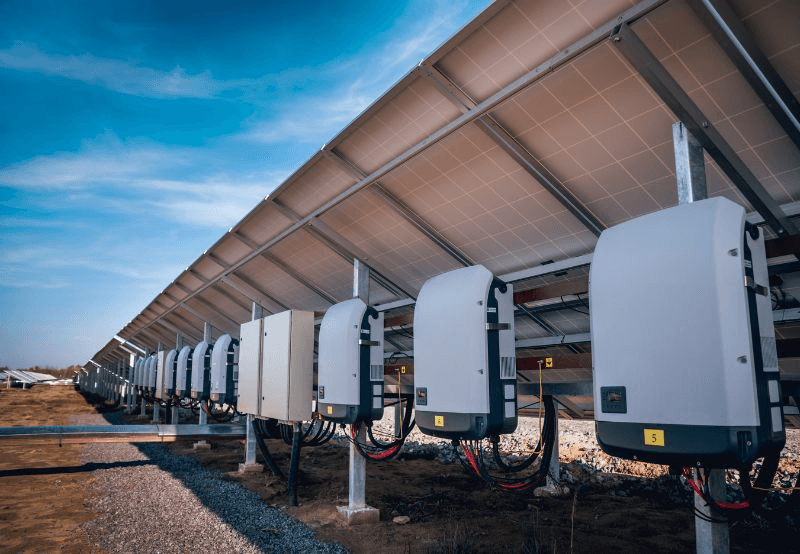
  • Roofs with uniform sun exposure throughout the day
  • Installations without shading issues
  • Budget-conscious buyers seeking proven technology
  • Systems between 3 kW to 125 kW capacity
Types of Inverters: Choosing the Right Configuration

Microinverters

Microinverters attach to individual panels, converting power at the panel level. This configuration provides:
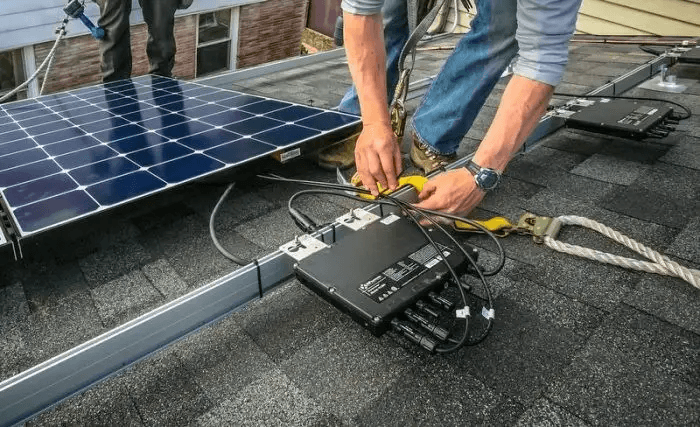
  • Maximum output even when some panels are shaded
  • Easier system expansion as your needs grow
  • Panel-level monitoring for precise performance tracking
  • Better performance on complex roof layouts with multiple orientations

Hybrid Systems

Some wave inverters integrate battery storage capabilities, allowing you to:
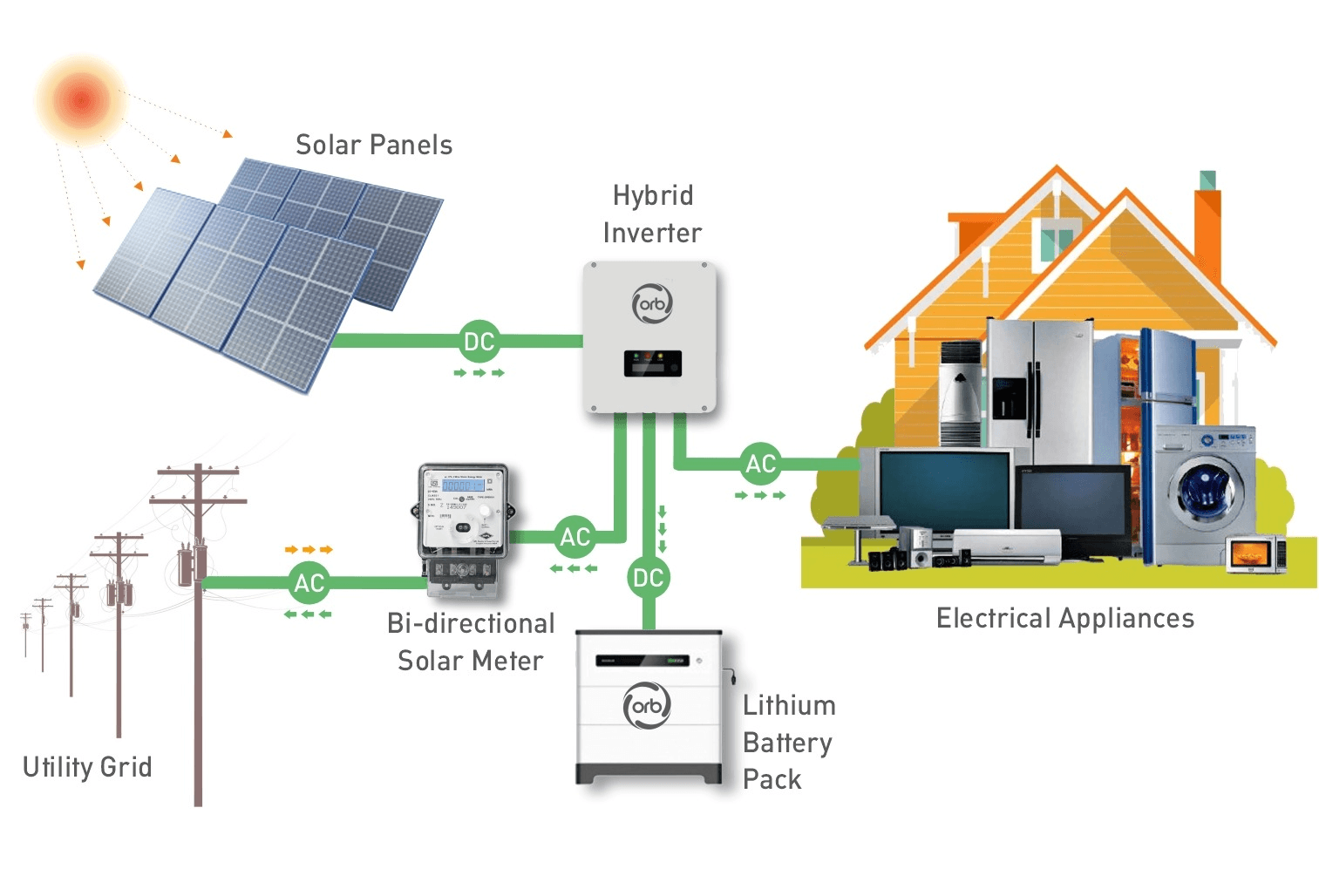
  • Store excess solar power for nighttime use
  • Maintain power during grid outages
  • Reduce dependence on utility companies
  • Participate in time-of-use billing optimization

Key Features to Look for in Wave Inverters

  • Proper power rating match
  • Multi-MPPT tracking
  • DISCOM grid compliance
  • IP65 weather protection
  • 10-year minimum warranty
  • Local service centers

Installation Considerations for Indian Conditions

  • Roof space availability
  • Daily energy consumption
  • Future expansion capacity
  • Regional sunlight variations

Government Subsidies and Incentives

The PM Surya Ghar scheme provides strong financial support for residential rooftop solar installations. Professional installers manage documentation and approvals.
Installation Considerations for Indian Conditions

Making the Switch: What to Expect

  • Initial consultation
  • Detailed site assessment
  • Customized system design
  • Certified installation
  • Smart monitoring configuration

Most homes begin generating power within 5–7 days post-contract signing.

Conclusion

Wave inverters represent a major technological leap in India’s solar ecosystem. Delivering 97% efficiency, smart monitoring, and grid-compliant design, they provide long-term financial and energy security for Indian homeowners and businesses.

The ability to track performance in real time empowers users to optimize energy consumption, improve ROI, and detect issues instantly. Over a decade, the incremental efficiency advantage alone can translate into massive savings.

With 10–15 year lifespans, smart monitoring, and hybrid battery readiness, wave inverters ensure your solar system remains future-proof, resilient, and highly profitable even as India’s energy landscape rapidly evolves.

FAQS

Your Questions Answered

A 97% efficient wave inverter can generate 20–30% more usable power than traditional 70% efficient PWM inverters, saving ₹15,000–₹25,000 annually on a 5 kW system.

Still Have A Question?

Can't find the answer you're looking for? Our team is here to help.

SUBSCRIBE NEWSLETTER

Stay Tuned with latest Updates

Switching to solar is easier than you think. Let us guide you to cleaner, more affordable energy.

EARTHWAVE