Ground mounted solar cost India
How Much Does Ground-Mounted Solar Plant Cost in India
2026-05-01T00:00:00.000Z•8
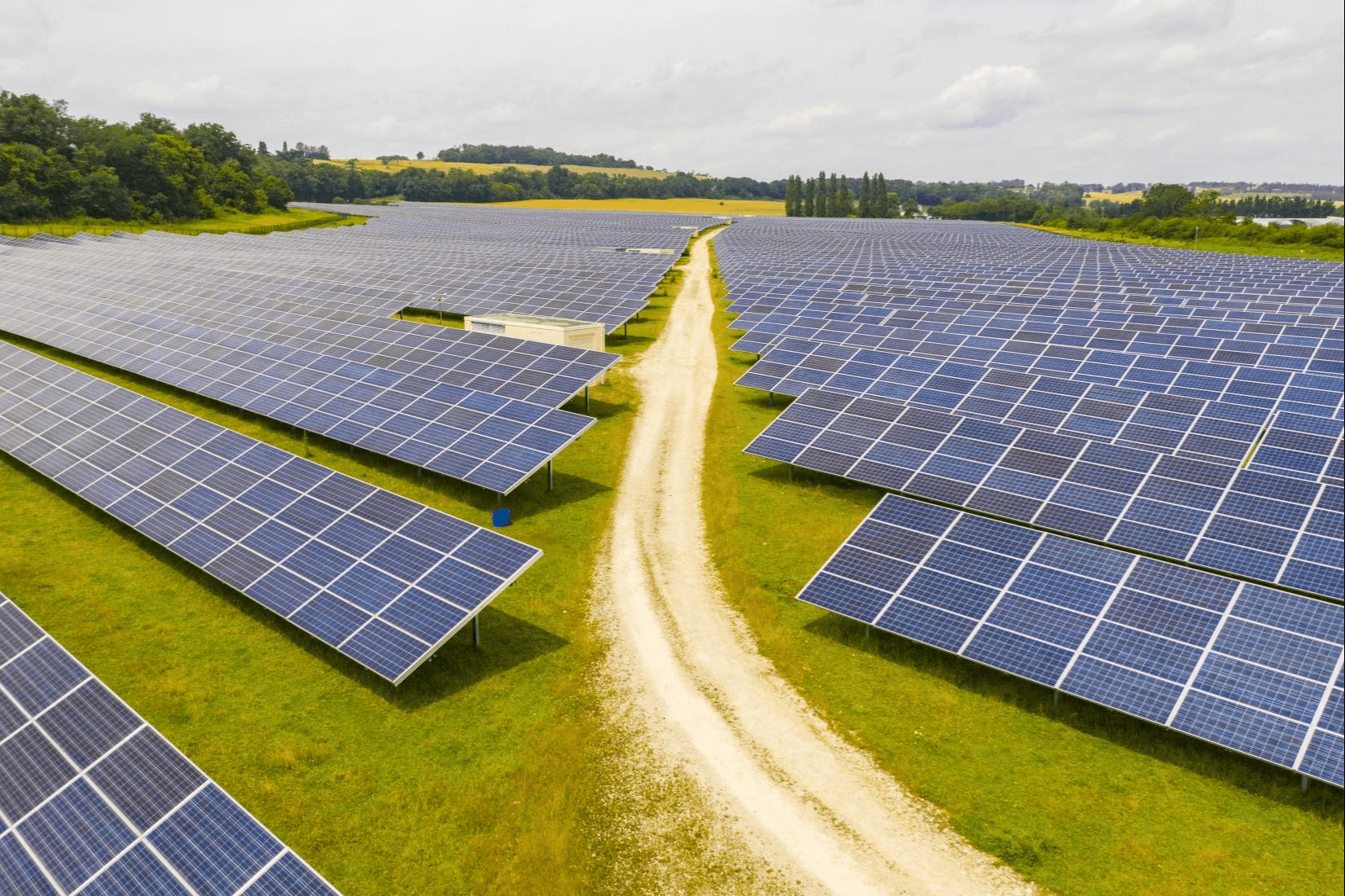
A ground-mounted solar plant in India costs ₹3.5 crore to ₹6 crore per MW for industrial and commercial setups in 2026.
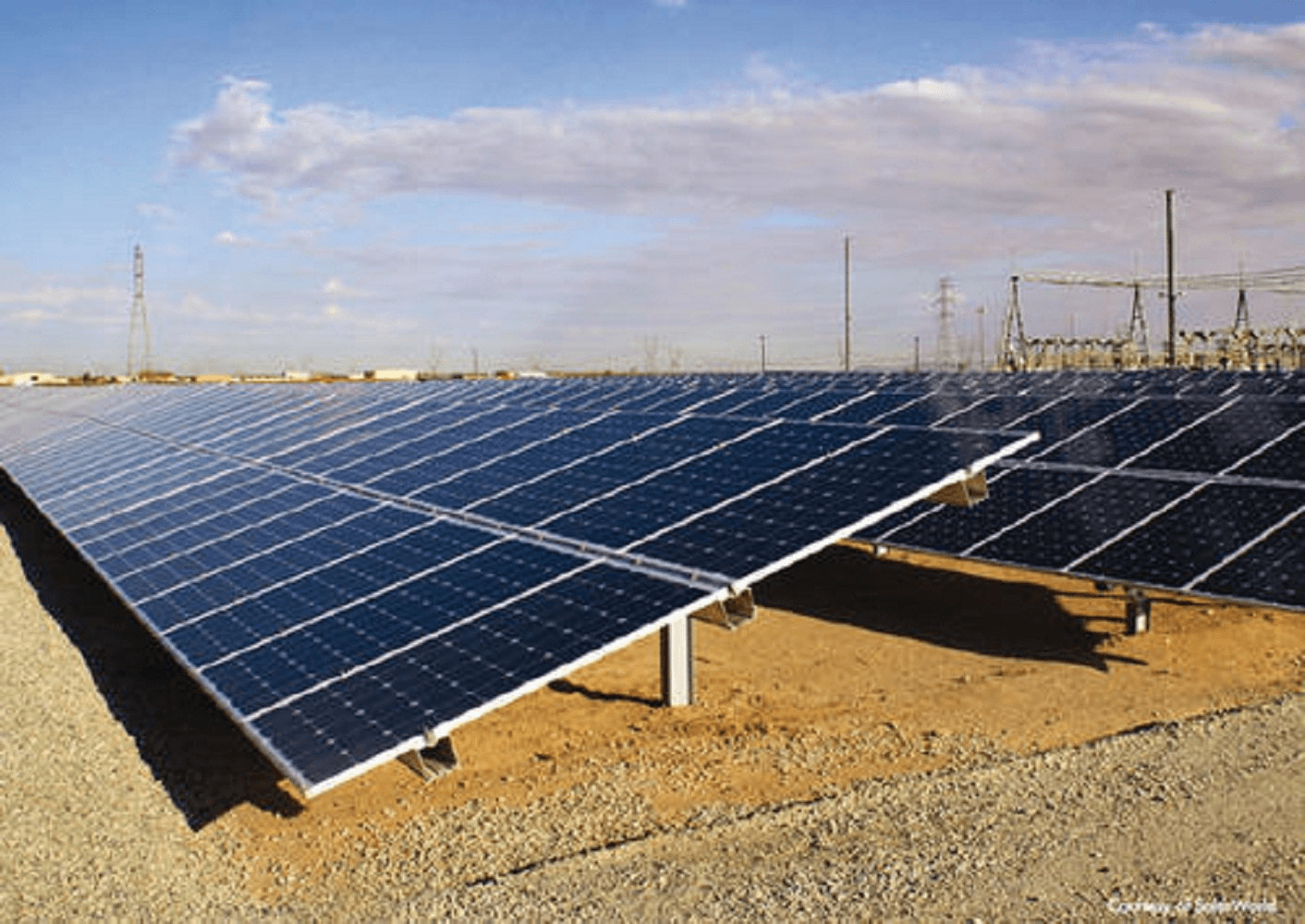
Your exact number depends on system size, structure type, location, and whether you choose fixed-tilt or tracker-based installation.
Cost range:
₹35 to ₹60 lakh per 100 kW; ₹3.5 to ₹6 crore per MW
Land required:
4 to 5 acres per MW (fixed tilt); 6 to 7 acres per MW (with trackers)
Payback period:
3 to 5 years for most industrial setups in Gujarat, Rajasthan, and MP
Key benefit:
30 to 40% reduction in monthly electricity costs with 25+ year plant life
Who it suits:
Factories, warehouses, industrial parks, and large landowners with unused land
A ground-mounted solar plant generates electricity from solar panels installed on open land using steel or aluminum structures.
Unlike rooftop systems, panels here are mounted at the optimal tilt angle, cleaned more easily, and expanded without structural constraints.
It is the preferred choice when:
Your factory rooftop is too small, shaded, or structurally weak
You have unused agricultural or industrial land available
Your monthly electricity bill exceeds ₹5 lakh and you want a captive power solution
You want to scale from 500 kW to multi-MW capacity in phases
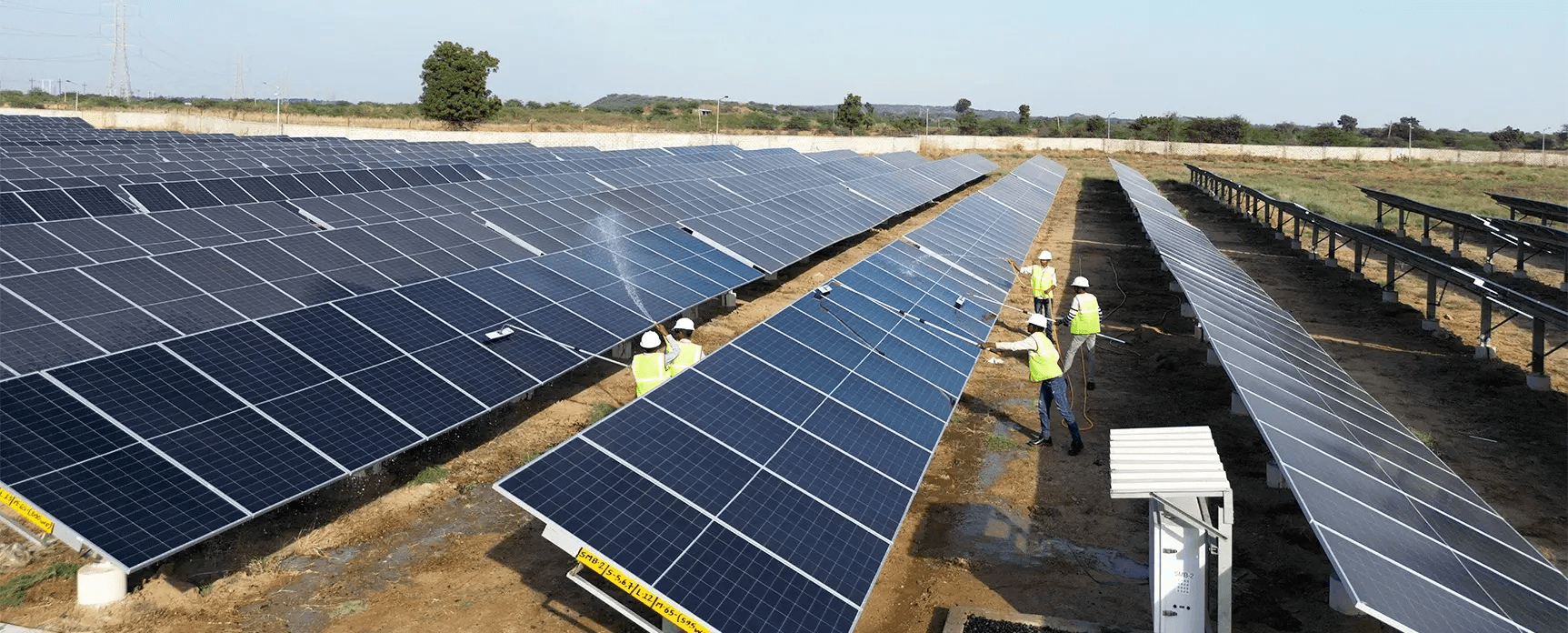
The total installed cost ranges from ₹35 lakh to ₹60 lakh per 100 kW depending on system size and location.
Here is the capacity-wise cost breakup:
System Size | Estimated Cost (₹) | Suitable For |
100 kW | ₹35 to ₹45 lakh | Small factories, warehouses |
250 kW | ₹85 lakh to ₹1.1 crore | Mid-size industrial units |
500 kW | ₹1.7 to ₹2.3 crore | Large plants, industrial parks |
1 MW | ₹3.5 to ₹5 crore | Heavy manufacturing, large campuses |
5 MW | ₹17 to ₹25 crore | Utility-scale captive or open access |
Ground-mounted systems cost 10 to 15% more than rooftop systems of the same capacity.
This higher cost is offset by better panel orientation, higher generation output, and lower maintenance complexity over 25 years.
Not sure whether to go CAPEX or finance your plant? Read our guide on CAPEX vs RESCO solar financing to pick the right model before committing.
Knowing where your money goes helps you evaluate vendor quotes accurately.
Component | Cost Range (₹ per MW) |
Solar PV Modules | ₹2.8 to ₹3.2 crore |
Mounting Structure (GI/MS) | ₹25 to ₹40 lakh |
Inverters | ₹80 lakh to ₹1 crore |
DC and AC Cabling | ₹15 to ₹25 lakh |
Earthing, Lightening Arrestors | ₹5 to ₹10 lakh |
SCADA and Monitoring System | ₹10 to ₹15 lakh |
Civil Work and Foundations | ₹10 to ₹20 lakh |
Installation and Commissioning | ₹20 to ₹30 lakh |
Modules account for 55 to 60% of total project cost. Always ask your EPC vendor for a component-level quote, not a lump-sum figure.
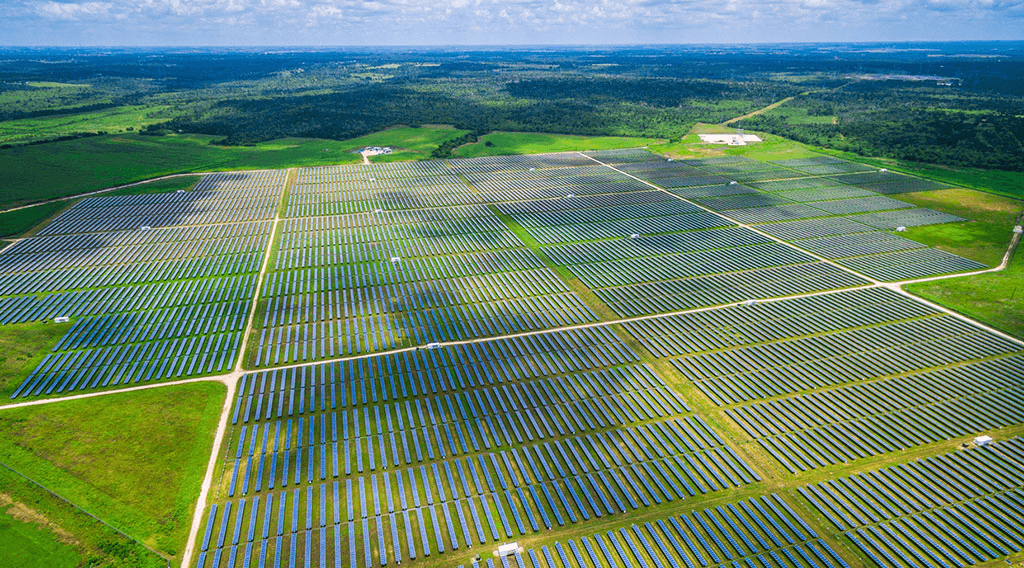
Plan for 4 to 5 acres per MW for a fixed-tilt ground-mounted system.
Panel wattage (higher watt panels need less space)
Row spacing (needed to avoid inter-row shading)
Site slope and terrain
Inverter room and transformer area
250 kW:
1 to 1.2 acres
500 kW:
2 to 2.5 acres
1 MW:
4 to 5 acres
5 MW:
20 to 25 acres
If you have more land than required, a tracker-based system can boost generation by 15 to 25% using the same panels. Trackers need 6 to 7 acres per MW and cost 12 to 18% more upfront.
Five factors move your per-MW cost up or down by 20 to 30%.
Location:
Solar irradiance in Gujarat and Rajasthan is 5 to 6 kWh/m2/day. This means better ROI and faster payback versus states with lower irradiance.
Panel type:
Mono PERC panels cost more upfront but generate 8 to 10% more than polycrystalline in the same area.
Structure type:
Fixed-tilt GI structures are cheapest. Single-axis trackers cost more but yield 15 to 25% higher output.
Grid connectivity:
Open access solar requires DISCOM approvals and wheeling charges, adding ₹15 to ₹30 lakh to overall project cost.
EPC vendor quality:
A substandard inverter or poor cable sizing can cut plant output by 8 to 12% over 10 years. Always verify EPC credentials and past MW-scale projects before signing.
Use this solar EPC company checklist to evaluate vendors correctly.
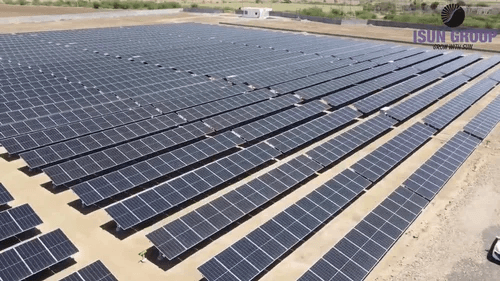
Most industrial ground-mounted plants pay back in 3 to 5 years with a 20-year return window.
Here is a realistic example for a factory in Surat, Gujarat:
Monthly electricity bill: ₹12 lakh (at ₹8/unit grid tariff)
System size: 1 MW ground-mounted plant
Total project cost: ₹4.2 crore
Annual solar generation: 14 to 15 lakh units (approx.)
Annual savings: ₹1.1 to ₹1.2 crore
Payback period: 3.5 to 4 years
Net savings over 25 years: ₹18 to ₹22 crore (post maintenance costs)
Want a deeper breakdown of year-by-year returns? Read our full guide on solar payback period for industries in India 2026.
Accelerated Depreciation Benefit: Under Section 32 of the Income Tax Act, industries can claim 40% accelerated depreciation on solar plant investment. For a ₹4 crore project, this translates to ₹1.6 crore in depreciation deduction in Year 1, significantly reducing your net cost.
Read the full breakdown of solar tax benefits and accelerated depreciation in India before filing your next return.
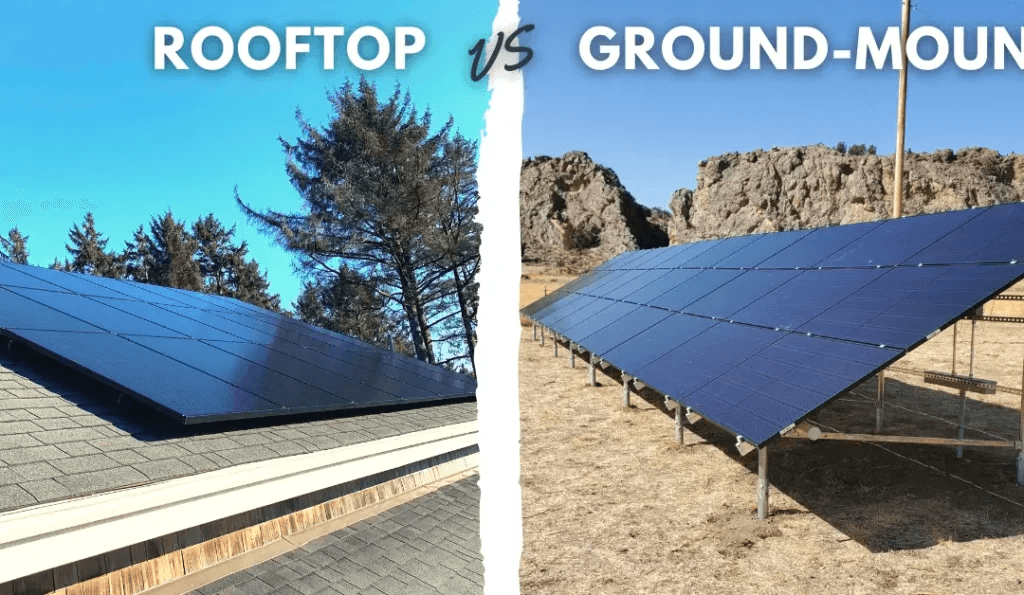
Ground-mounted systems cost 10 to 15% more than rooftop but offer better output and scalability.
Factor | Ground Mount | Rooftop |
Cost per MW | ₹3.5 to ₹6 crore | ₹3 to ₹5 crore |
Space needed | Open land | Factory/warehouse roof |
Energy yield | Higher (optimal tilt) | Lower (fixed roof angle) |
Scalability | Easy to expand | Limited by roof area |
Maintenance | Easier access | Requires roof access safety |
Best for | Large land + high load | Urban factories, limited land |
If your rooftop is undersized or structurally constrained, ground mount is the right path. If your load is under 500 kW and you have adequate rooftop solar space, rooftop is faster to install.
For a side-by-side cost and ROI comparison, read our full post: Rooftop vs Ground-Mounted Solar for Industries.
Verified ground-mount track record matters more than any vendor claim.
Earthwave Solar has delivered MW-scale ground-mounted projects across Gujarat and central India:
80 MW Ground Mount for Mahindra Susten
at Mota Mandvada, Bagasra: One of the largest ground-mount projects in the Earthwave portfolio, executed in 2021
2 MW Ground Mount for Goldi Solar
at Amod, Gujarat: Completed and operational
4 MW Ground Mount at Zudvadli:
Currently under construction, demonstrating active pipeline growth
These are not pilot projects. These are commercial and utility-grade ground-mount installations that required full EPC execution: engineering design, procurement, civil foundations, structure erection, electrical commissioning, and SCADA integration.
View the full portfolio on our completed projects page.
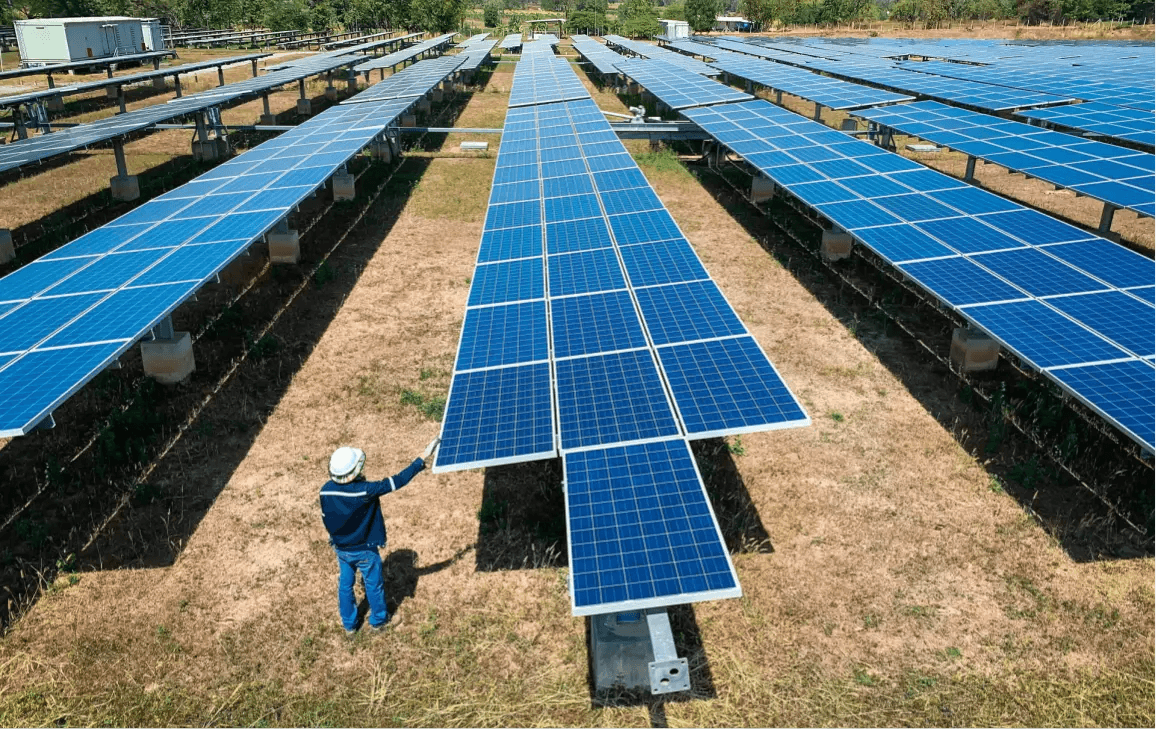
Ground-mounted solar is ideal for buyers with high loads and available land.
You are the right candidate if:
Your monthly electricity bill is ₹5 lakh or more
You own or lease open land adjacent to your facility
You are a factory owner, warehouse operator, or industrial park developer in Gujarat, Rajasthan, MP, or Maharashtra
You want a captive power plant to reduce dependence on grid tariffs
You are a real estate developer or landowner wanting to monetize unused land through solar
See how factories across India are cutting power costs by 40% with solar: Solar for Factories Guide.
You should consider rooftop first if your load is under 200 kW and your roof area is sufficient. Explore commercial and industrial solar solutions to find the right fit for your setup.
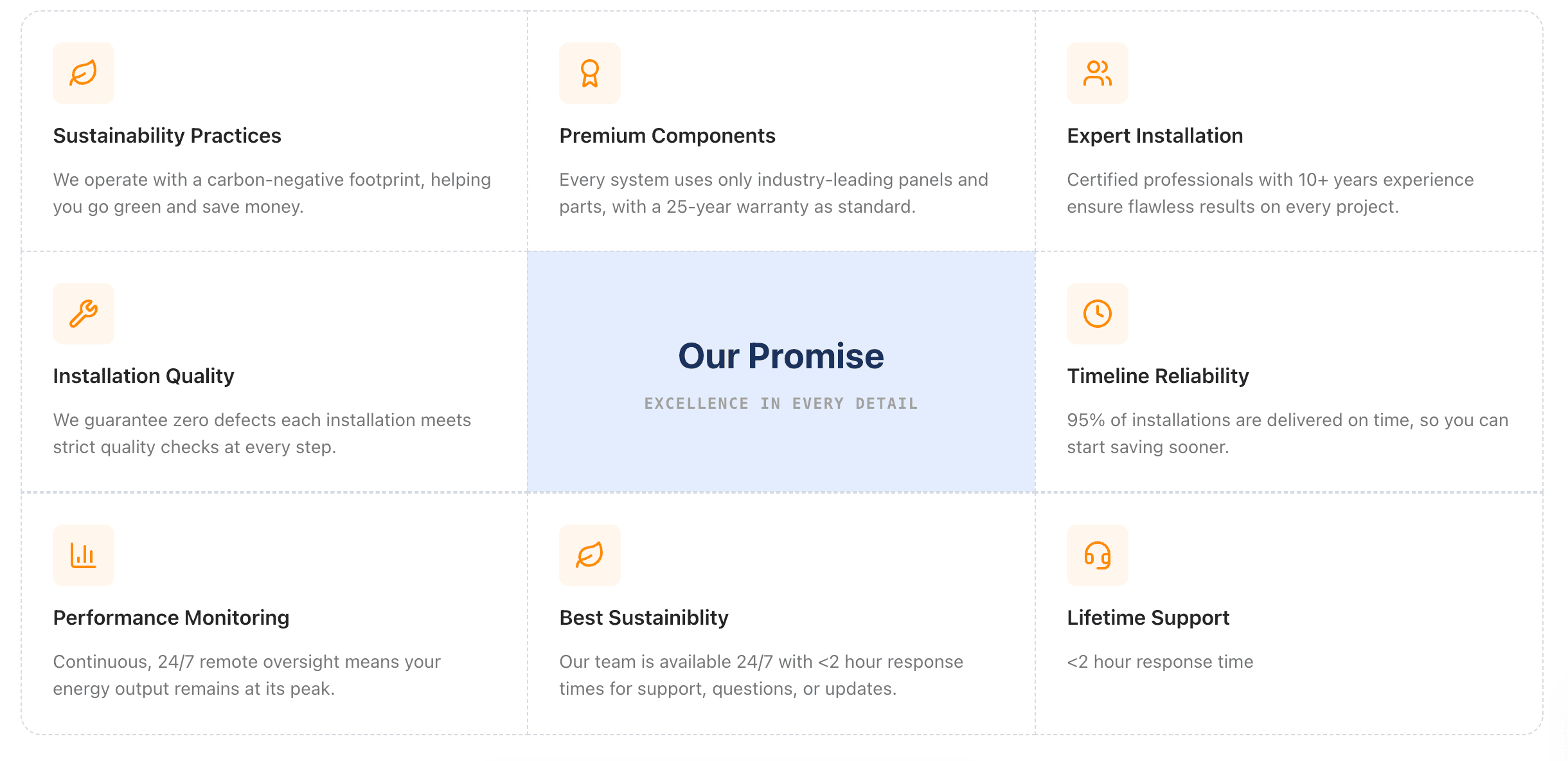
Earthwave Solar is a full-spectrum EPC company, not a reseller. They design, procure, build, and commission your entire plant.
Their 6-step process removes every bottleneck you would otherwise manage alone:
Initial Consultation:
Energy needs assessment with no sales pressure
Site Visit and Feasibility:
Land survey, soil testing, shading analysis, and load profiling
System Design and Quotation:
Component-level transparent pricing with exact layout
Documentation:
DISCOM filings, net metering applications, land approvals, and subsidy claims
Installation:
Certified technicians for structure, cabling, and inverter commissioning
Final Handover with Monitoring:
SCADA dashboard setup and complete operational handover
Earthwave also manufactures their own Wave inverters (2.5 kW to 125 kW range) with 97% efficiency and a 10-year warranty, giving them direct control over a critical project component. Download the Wave inverter datasheets for full technical specs.
Their operations span Gujarat (Surat HQ) and Madhya Pradesh (Bhopal), with active expansion into North India.
Clients including Goldi Solar, Mahindra Susten, Torrent Power, and Deon Energy have trusted Earthwave for project execution.
You need a minimum of 4 to 5 acres for a 1 MW fixed-tilt system. Tracker-based systems need 6 to 7 acres. Exact land need varies by panel wattage, row spacing, and terrain.
Subsidies under PM Surya Ghar are primarily for residential rooftop systems. For industrial and commercial ground-mount projects, the main financial benefit is the 40% Accelerated Depreciation under Section 32 of the Income Tax Act, which significantly reduces your net project cost in Year 1. Read our full post on solar tax benefits and accelerated depreciation.
A 1 MW ground-mounted plant typically takes 8 to 14 weeks from contract signing to commissioning. This includes civil work, structure erection, electrical work, DISCOM approvals, and final testing.
Ground-mounted solar delivers higher energy yield due to optimal panel tilt and better airflow. It is better for factories with large land but inadequate rooftop space. Rooftop is faster to deploy and costs 10 to 15% less if your roof area and structure are adequate. Compare both in detail: Rooftop vs Ground-Mounted Solar for Industries.
A well-installed ground-mounted solar plant lasts 25 to 30 years. Panels carry a 25-year performance warranty (output above 80% at end of life). Inverters typically need replacement once around the 10 to 12-year mark.
If you are a factory owner, plant manager, or CFO in Gujarat, Madhya Pradesh, Rajasthan, or Maharashtra with a monthly electricity bill above ₹5 lakh, your ground-mount solar plant ROI calculation starts with a site visit.
Earthwave Solar offers a free site visit and a detailed cost-plus-ROI report for your specific location and load.
Gujarat:
+91 90336 07212
Madhya Pradesh:
+91 90336 02156
Email:
Website:
FAQS
Can't find the answer you're looking for? Our team is here to help.
SUBSCRIBE NEWSLETTER
Switching to solar is easier than you think. Let us guide you to cleaner, more affordable energy.
