Solar Energy India
Solar Energy Benefits for SEZ & Industrial Parks in India
2026-05-05T00:00:00.000Z•9
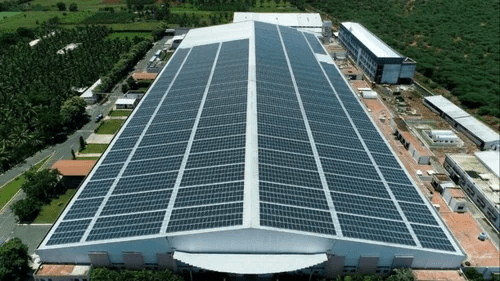
Businesses in SEZs and industrial parks in India can cut power cost, improve reliability, and support ESG goals by using the right solar model. The best results come from matching the system to site load, available space, and compliance needs.
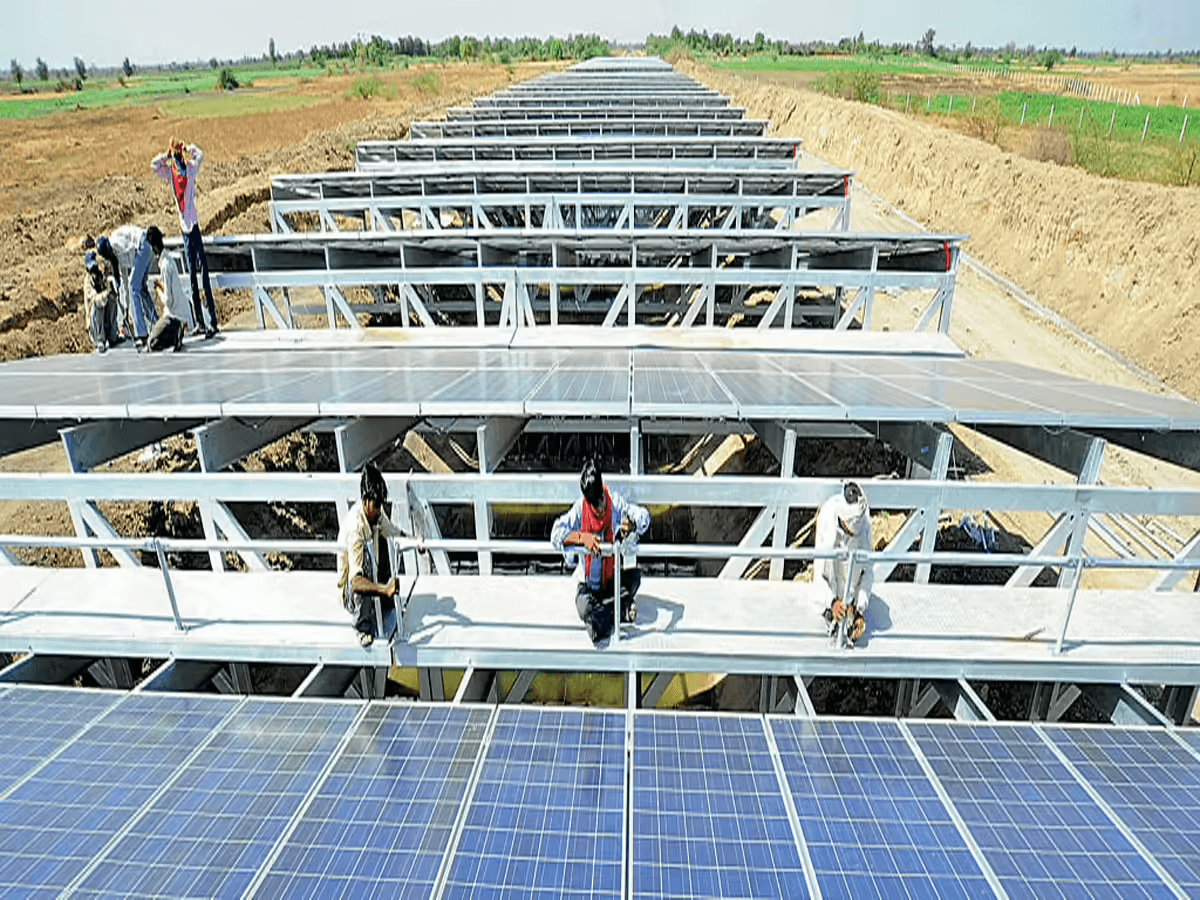
For industrial and commercial solar support, Earthwave offers end-to-end EPC services for businesses
SEZs and industrial parks often have strong solar potential because they use large roofs, open land, and high daytime loads.
Businesses can choose rooftop solar, ground-mounted solar, captive solar, or open access solar depending on site conditions.
The financial case depends on tariff, consumption pattern, project size, approvals, and open access charges.
A good EPC partner should handle site study, design, approvals, installation, and long-term support.
Earthwave can help industrial and commercial campuses plan and execute solar projects end to end.
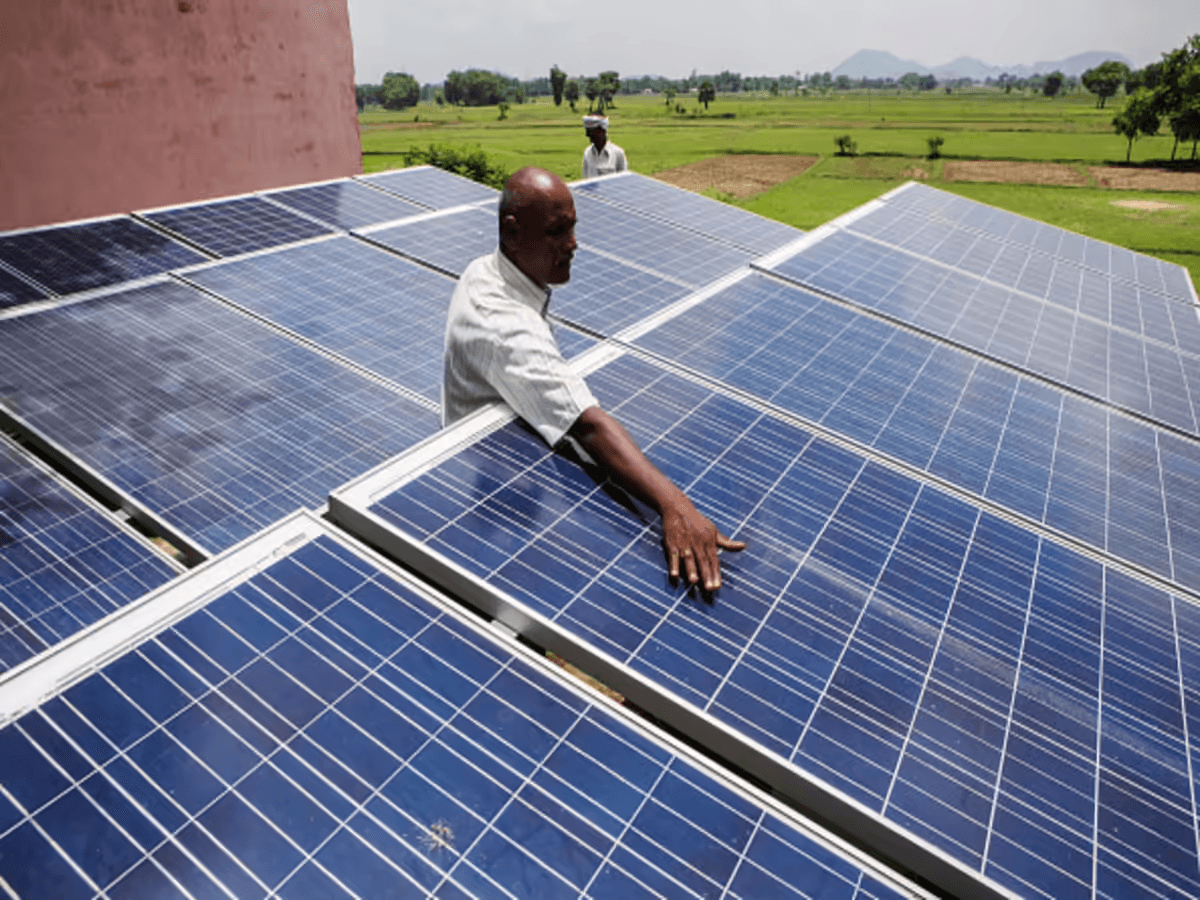
Solar fits SEZs and industrial parks well because these sites usually consume more power during the day. That timing aligns with solar generation, so you can offset a larger part of your live consumption.
If you want to see how this works in commercial settings, review our commercial solar installation for businesses service.
These sites also usually have better space options than standard commercial buildings. They may have large rooftops, parking areas, service blocks, or spare land that can support solar capacity.
A practical solar plan for this segment should focus on:
Daytime load alignment.
Roof and land availability.
Future expansion plans.
Metering and grid connection needs.
Access for maintenance.
For example, a manufacturing park with steady daytime production can use solar more effectively than a site that runs mostly at night. That is why the site study matters before you choose a system size.
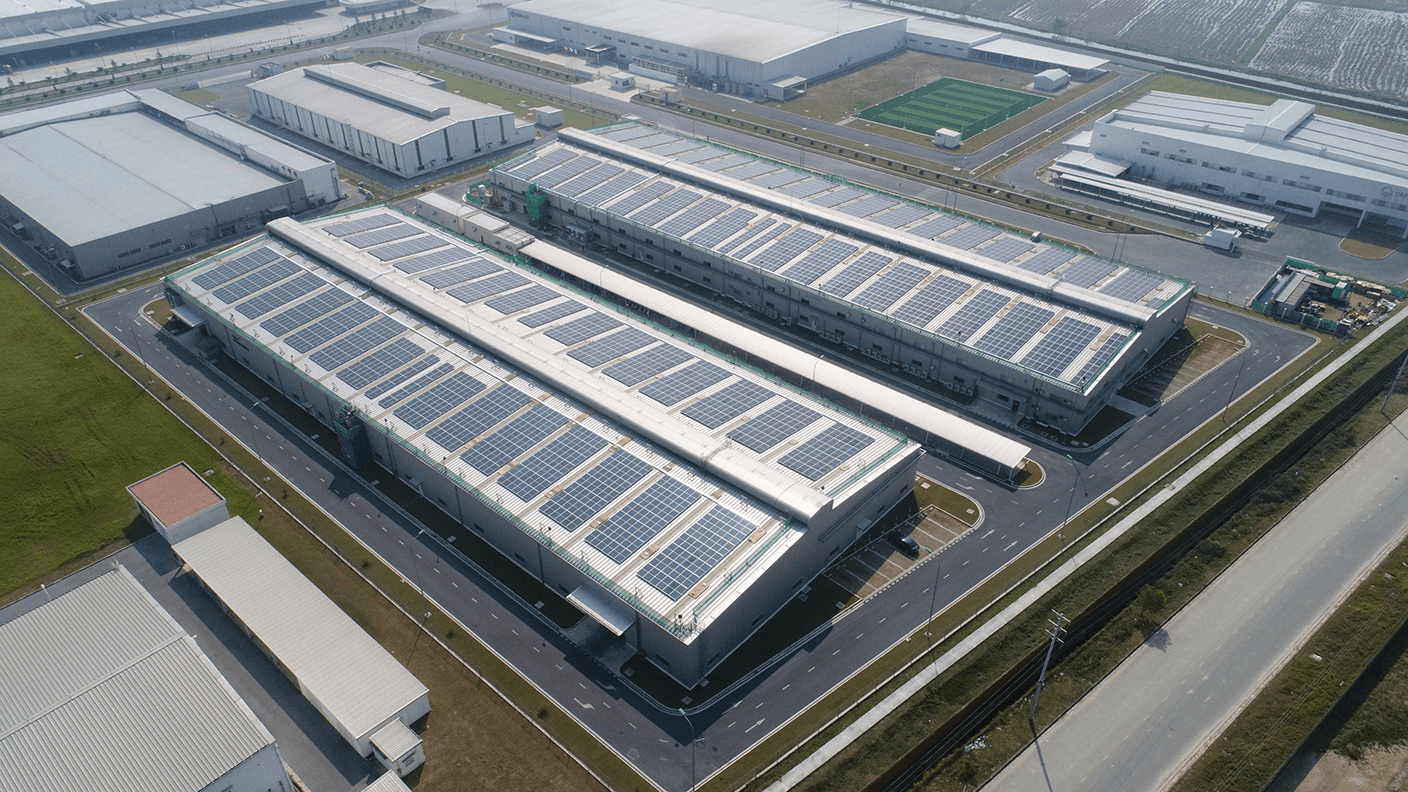
The first step is not choosing panels. It is checking feasibility.
You should review:
12 months of electricity bills.
Peak demand pattern.
Daytime versus night-time load.
Roof structure and shadow impact.
Free ground area.
Transformer and meter setup.
Expansion plans for the next few years.
This review tells you whether rooftop solar, ground-mounted solar, captive solar, or open access solar makes the most sense.
If you skip this step, the system may look good on paper but underdeliver in real use. Many industrial buyers make that mistake when they start with price instead of design.
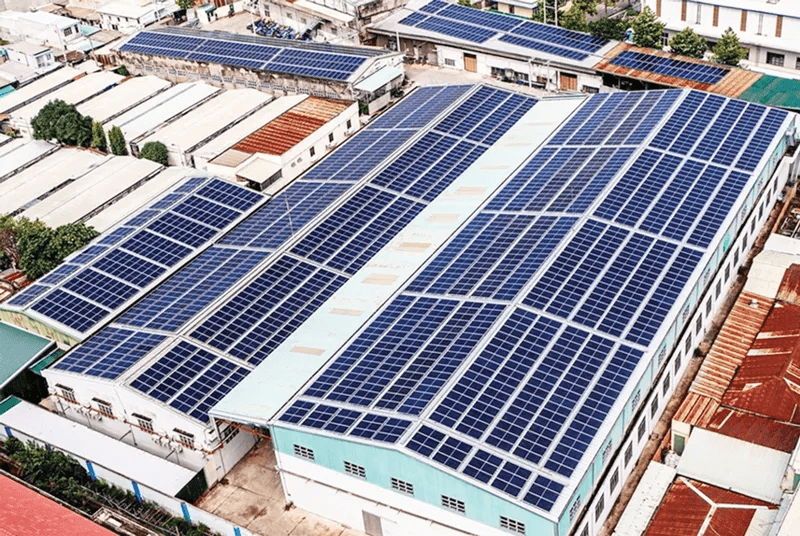
Solar reduces operating cost by replacing part of the electricity you buy from the grid with power you generate yourself. That lowers monthly bills and gives your team better control over energy spending.
To understand the savings angle in more depth, you can also read our article on commercial solar electricity cost savings.
Typical business benefits include:
Lower per-unit power cost over the system life.
Less exposure to tariff changes.
Reduced use of diesel backup.
Better use of roof or land assets.
More predictable monthly energy planning.
A factory that runs production lines, motors, chillers, or HVAC during the day can often capture strong value from solar because the system directly offsets live consumption.
Different sites need different solar models. The right choice depends on ownership, space, and regulatory conditions.
Earthwave also supports project planning with ground mounted solar installation services for sites with open land.
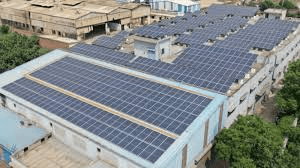
Rooftop solar works best on warehouses, sheds, utility blocks, and production buildings with large, strong roofs. It uses existing space efficiently and can be a fast way to start.
This option works well when the roof is free from major shading and can support the structure safely.
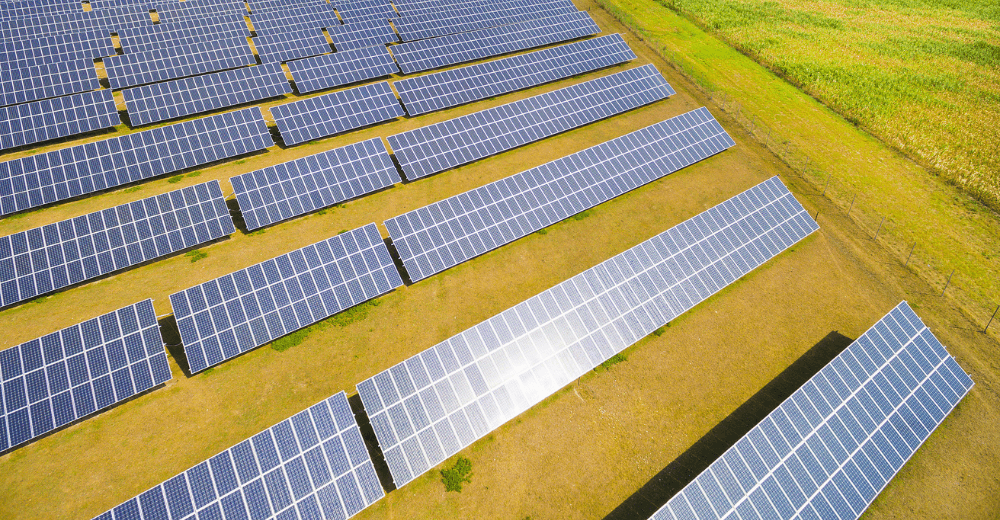
Ground-mounted solar works well when you have unused land or limited roof space. It also gives easier access for cleaning and maintenance.
Industrial parks often use this option when they want more flexibility for future expansion.
Captive solar works when your business owns or controls the solar asset and uses the power for its own operations. This model is useful when you want direct savings and more control over the project.
It is often a strong fit for manufacturing units, logistics hubs, and large industrial campuses with stable load.
Open access solar lets eligible consumers buy renewable power through the grid from a solar plant located elsewhere. This is useful when the site has limited land or roof space.
It suits businesses that want renewable savings without building the full system on their own premises.
Solar projects in SEZs and industrial parks need a clear compliance path. The rules can vary by state and by site type, so you should confirm the exact process early.
You should check:
SEZ rules and unit approvals.
Captive-use conditions.
Grid connectivity requirements.
Metering setup.
Wheeling or evacuation rules.
Land and roof access rights.
SEZ units can install solar systems for captive consumption under the allowed framework, but the project structure must match the applicable rules. The project should be planned with regulatory review, not after construction begins.
A strong EPC team helps here because it can connect design, documentation, and execution in one flow.
If you want a practical checklist for EPC partner selection, see solar EPC company checklist India.
The best site design depends on available space, consumption pattern, and growth plans.
works best on production sheds, warehouses, and utility buildings with large roof area. It makes use of space that would otherwise stay unused.
This option is useful when your roof can support the system and your daytime load is steady.
works well when you have open land and want easier maintenance access. It can also help when the rooftop space is not enough for your target capacity.
Industrial parks often use ground mount when they want room for scaling later.
A mixed layout uses both rooftops and ground space. This often works best for large industrial campuses.
It gives flexibility, improves energy coverage, and spreads generation across the property.
For a deeper comparison of system layouts, read rooftop vs ground mounted solar industrial.
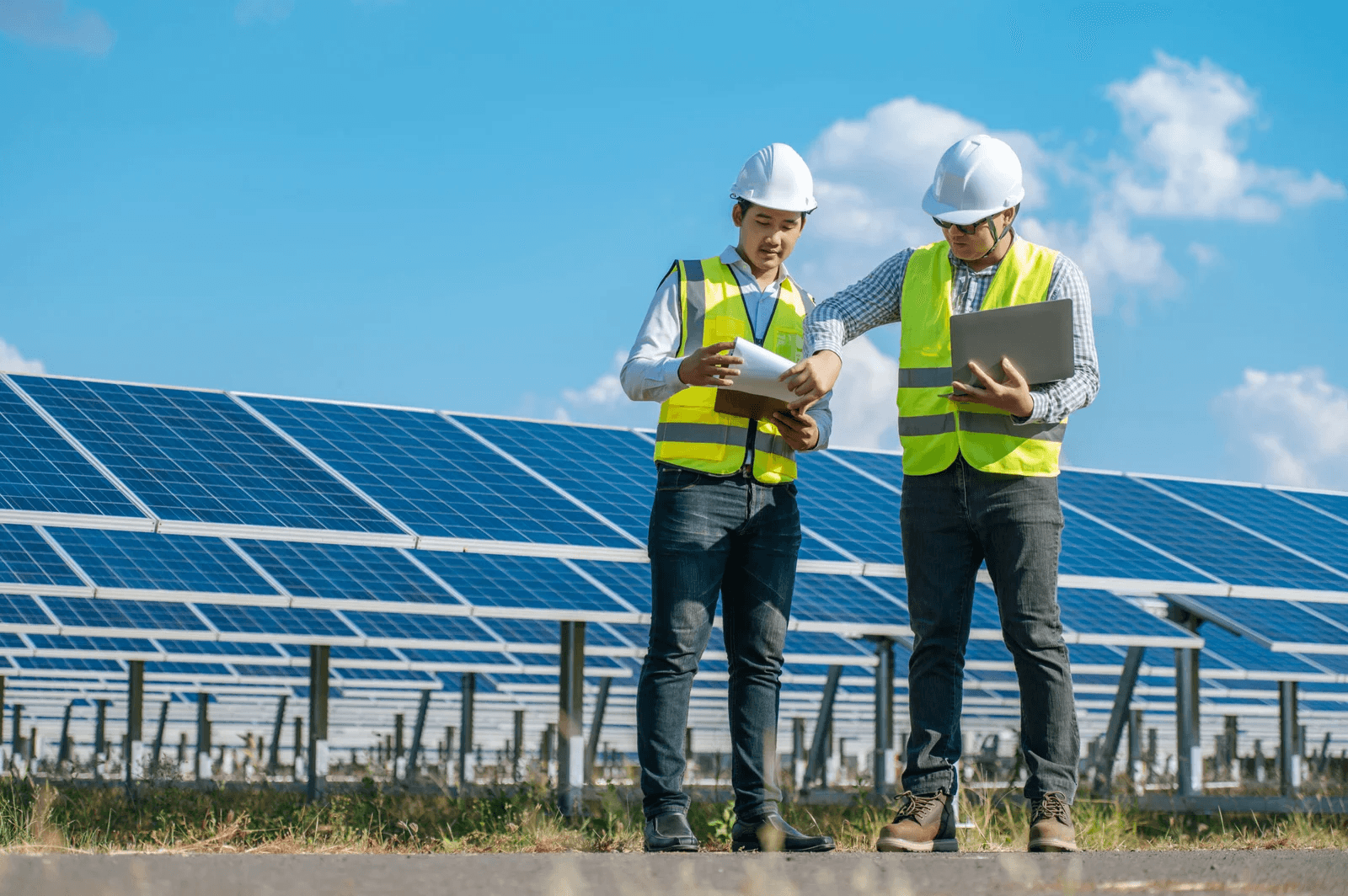
Plant heads and CFOs usually care about three things. They want savings, reliability, and simple operation.
Their common questions are:
How much will we save each month?
What is the expected payback period?
Will the system affect production?
Who will maintain it?
How will we monitor output?
A useful solar proposal should answer these points clearly. It should avoid jargon and focus on business impact.
A factory owner does not need a panel lecture first. They need a clear business case first.
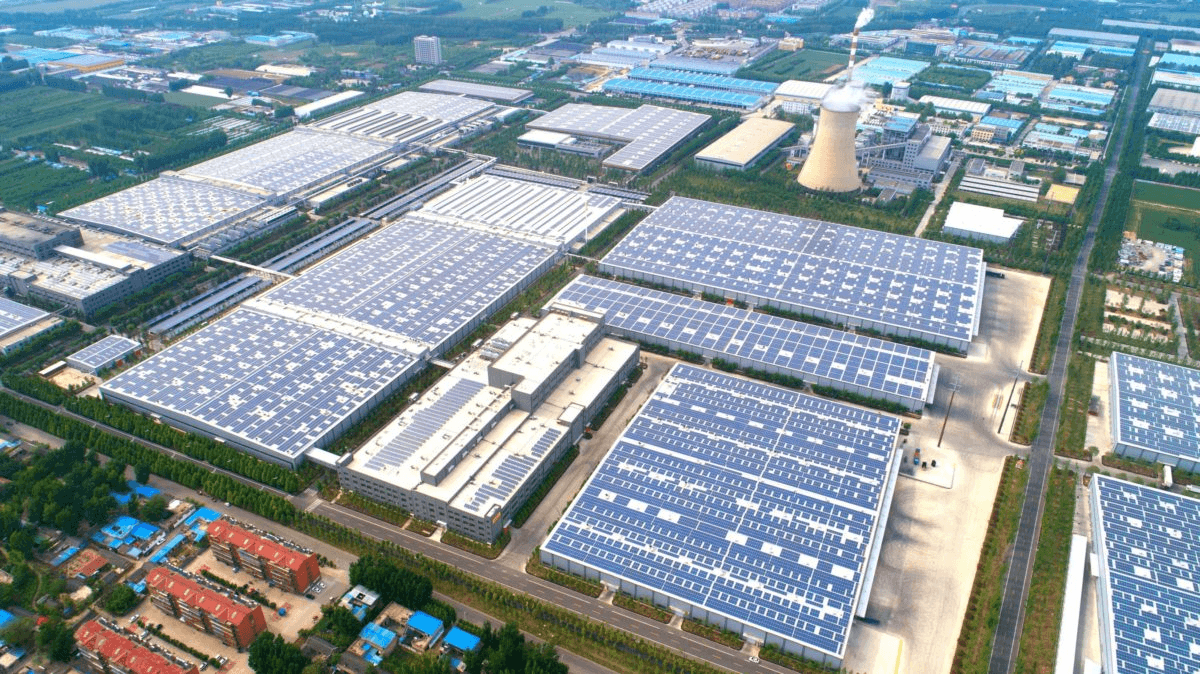
The lowest quote is not always the best choice. In industrial solar, design quality often decides long-term performance.
A good design looks at:
Load profile.
Structure strength.
Cable routing.
Inverter selection.
Safety margins.
Monitoring access.
A weak design can lead to low generation, shutdown issues, or harder maintenance. That creates hidden cost over time.
When the project is tied to a business asset, you need reliability and service support, not just a cheap installation.
Earthwave fits SEZ and industrial park projects because it works as a full EPC company. It covers rooftop solar, commercial solar, industrial solar, ground-mounted solar, and inverter solutions.
You can also review Earthwave’s projects to see the scale of work and delivery style.
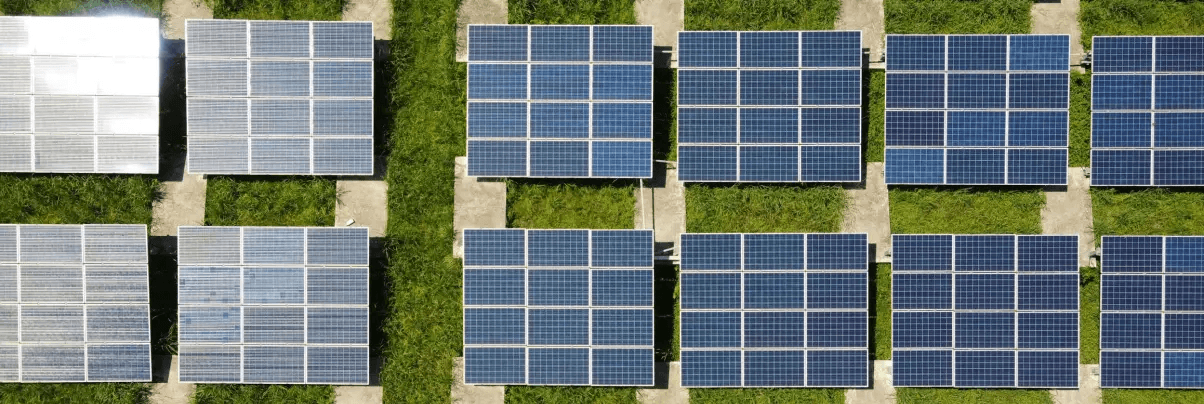
Its process includes consultation, site visit, design, documentation, installation, and handover. That matters because industrial projects need one team that can manage both execution and communication.
Earthwave also brings experience in larger solar projects and B2B work. That helps when you need a partner who understands factory operations, commercial buying, and project delivery.
Learn more about the company on the about Earthwave page and meet the Earthwave team.
Rooftop solar.
Commercial and industrial solar.
Ground-mounted solar.
Inverter solutions.
Site study and project execution.
You can use this decision flow before starting a project:
Review electricity bills and load pattern.
Check roof and land availability.
Decide whether captive, rooftop, ground-mounted, or open access fits better.
Map approvals and metering needs.
Ask for a savings model and project timeline.
Compare EPC partners on design quality, execution, and support.
This keeps the project focused on business goals.
It also helps you avoid choosing solar only because someone offered a fast quote.
Imagine a manufacturing park with three sheds, one utility block, and spare land at the back. The site runs heavy daytime load and wants to reduce grid dependence.
A good EPC team may suggest a mixed design. It can place panels on the shed roofs and add a ground-mounted block on the spare land.
That approach can improve energy coverage, simplify expansion, and reduce pressure on one part of the site. The result is usually better than forcing a rooftop-only project.
That is the kind of decision SEZ and industrial park owners should expect from a serious solar partner.
A successful industrial solar project usually has four traits:
It matches the load pattern.
It uses available space well.
It follows approval and metering rules.
It gives clear savings and monitoring.
If these four things are in place, the project has a stronger chance of long-term performance.
The best systems are the ones that fit the business, not the brochure. For factory-specific planning, read solar for factories cut power costs 40%.
SEZs and industrial parks face pressure from rising power costs, expansion needs, and ESG reporting. Solar gives them a practical way to address all three.
It is not only about clean energy. It is about controlling operating cost and improving energy planning.
For businesses that run large facilities, solar can become part of core infrastructure, not just a green add-on.
Solar for SEZs and industrial parks in India works best when you combine site feasibility, business planning, and EPC execution. The right model can lower cost, improve reliability, and support growth.
If your business wants to explore solar for an SEZ, industrial park, or manufacturing campus, start with a site study and a clear savings model.
For direct support, use the contact Earthwave Solar page.
Yes. SEZs and industrial parks usually have high daytime power use, large rooftops, and spare land, so solar can reduce electricity cost and improve energy planning. SEZ units can also use solar for captive consumption when they follow the allowed rules.
The best model depends on your site, load, and approvals. Many industrial parks use rooftop solar, ground-mounted solar, captive solar, or open access solar, and the right choice comes from a proper feasibility study.
Yes. The Ministry of Commerce has allowed SEZ developers and SEZ units to install solar systems for captive use, as long as the power stays within the permitted framework and is not wheeled out to the domestic tariff area.
Check your electricity bills, daytime load, roof strength, land availability, meter setup, approvals, and future expansion plans. These factors decide the right system size and help avoid poor generation or avoidable delays.
An EPC company handles design, procurement, construction, approvals, and handover in one flow. That reduces execution risk, saves internal effort, and gives you one accountable partner from planning to commissioning.
FAQS
Can't find the answer you're looking for? Our team is here to help.
SUBSCRIBE NEWSLETTER
Switching to solar is easier than you think. Let us guide you to cleaner, more affordable energy.
