cold storage solar
Solar for Cold Storage: Cut Power Costs Fast
2026-04-01T00:00:00.000Z•9
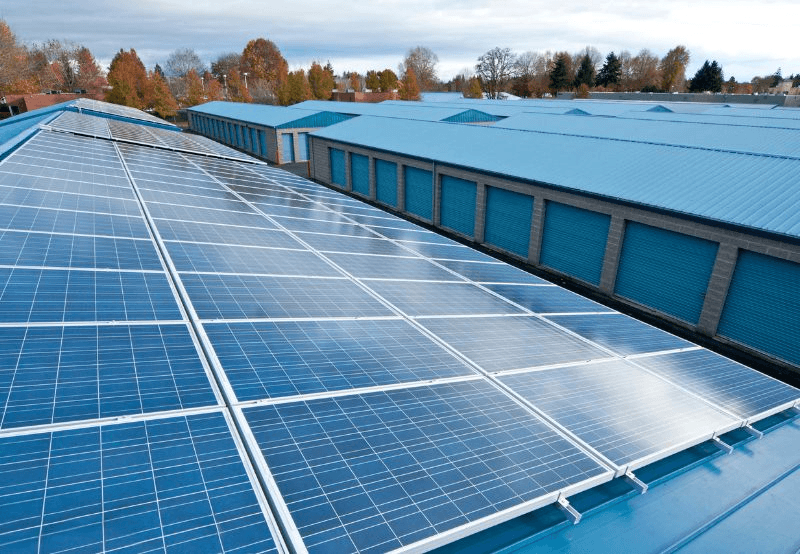
Solar power can cut electricity costs for cold storage and food processing units by 30–40% while keeping refrigeration systems running reliably.
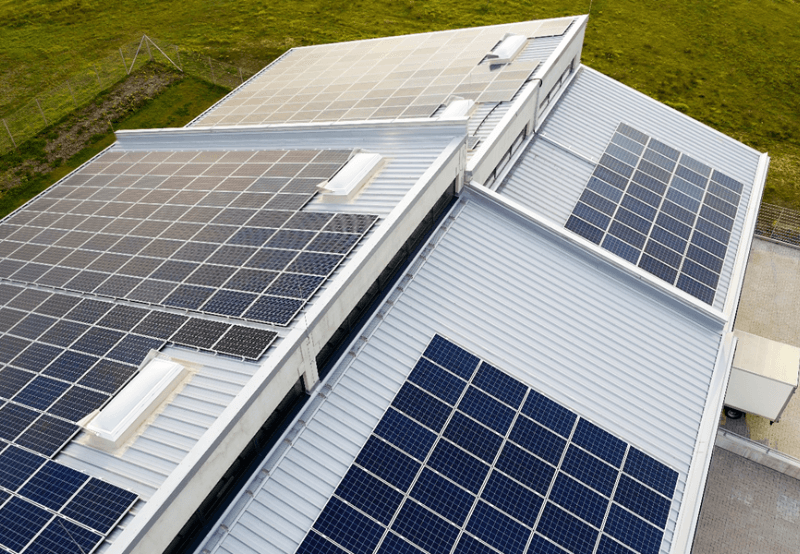
With the right system design, solar handles high continuous loads and delivers ROI within 5–7 years.
Cold storage and food processing units are among the highest electricity consumers in industrial sectors, making solar one of their strongest cost-reduction tools
Solar directly offsets daytime refrigeration load, which is when electricity consumption and tariffs peak
A correctly sized
reduces monthly bills significantly without compromising cooling continuity
Payback period for industrial solar in food and cold storage facilities is typically 5–7 years, with 20+ years of continued savings after that
Earthwave Solar provides end-to-end commercial and
across Gujarat
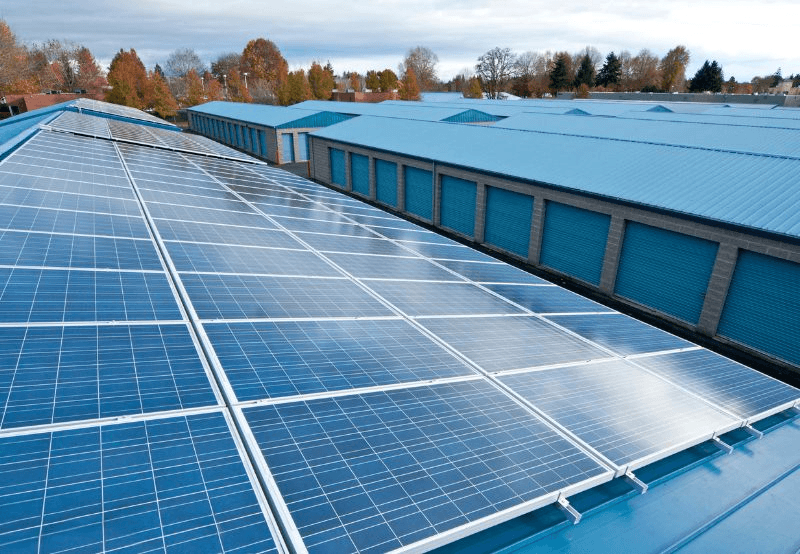
Refrigeration never stops, and that continuous 24/7 power draw is what makes cold storage one of the most electricity-intensive businesses to run.
A standard cold storage facility runs multiple compressors, cooling towers, evaporators, and temperature control systems without pause.
Unlike a factory that runs one shift, your refrigeration load is constant every hour of every day.
Here is what drives that bill so high:
Compressors
account for 60–70% of total electricity consumption in a cold storage unit
Ambient temperature
directly affects load; in Gujarat's climate, compressors work harder for more months of the year
Grid tariff structure
charges heavy commercial users between Rs. 7 to Rs. 10 per unit, and demand charges add further cost
Power fluctuations
from the grid force equipment to draw more power during voltage recovery cycles
For food processing plants, add processing machinery, conveyor lines, packaging equipment, and cleaning systems on top of the refrigeration load.
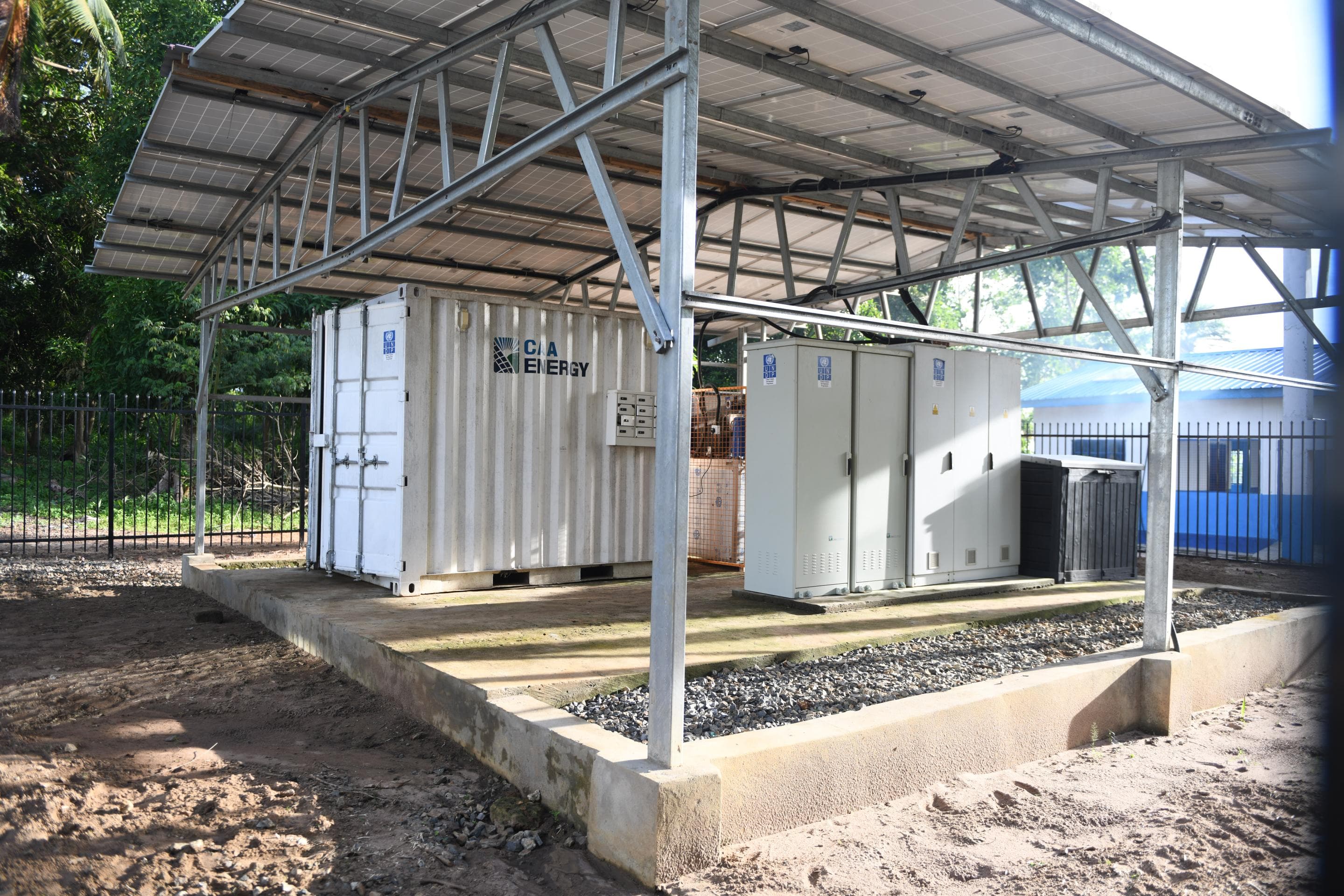
Solar does not replace your grid connection. It reduces how many units you draw from the grid, which directly cuts your bill.
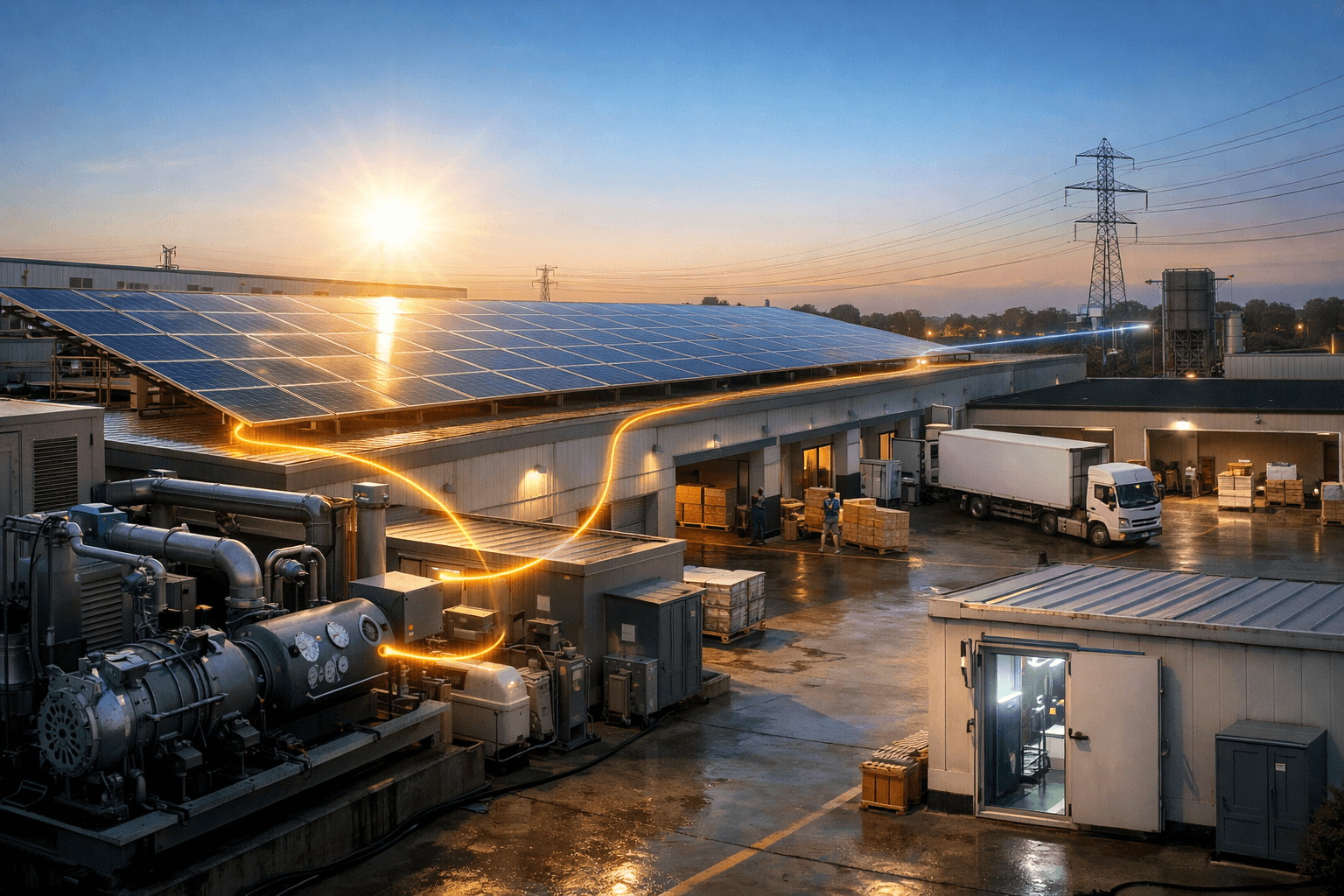
An on-grid rooftop solar system generates power during daylight hours and feeds it directly into your facility's electrical supply.
Your refrigeration systems consume that solar energy first, before drawing anything from the grid.
Cold storage compressors and cooling systems run all day
Solar generation peaks between 9 AM and 5 PM, which overlaps with your highest consumption window
During these hours, solar supplies a significant portion of your refrigeration load
Your grid draw drops, and so does your per-unit cost
Excess generation feeds back to the grid through net metering, earning you bill credits
This is why cold storage facilities see strong financial returns from solar, often better than many other commercial users.
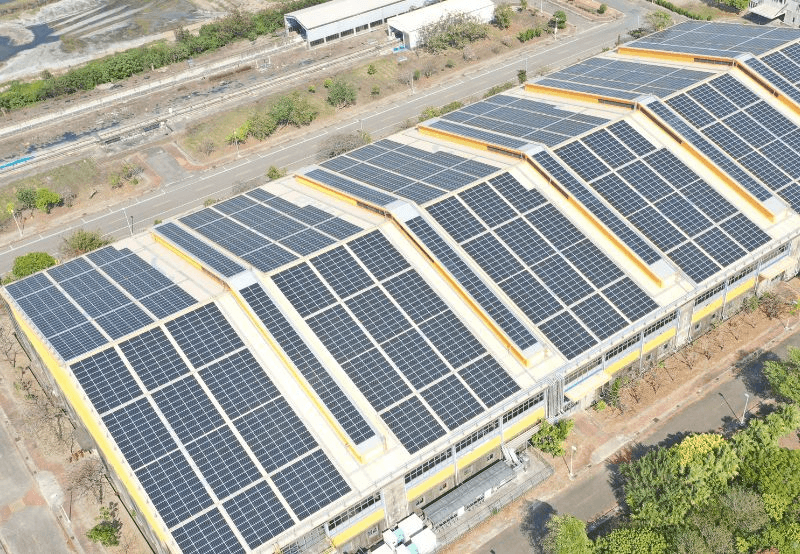
Getting the system size right is the single most important factor in maximizing savings from solar for refrigeration-heavy operations.
A system that is too small leaves money on the table. A system that is oversized without proper net metering planning wastes generation capacity.
Use this as a starting framework:
Monthly Electricity Consumption | Estimated Solar System Size |
20,000 to 40,000 units | 75 kW to 150 kW |
40,000 to 80,000 units | 150 kW to 300 kW |
80,000 to 1,50,000 units | 300 kW to 500 kW |
Above 1,50,000 units | 500 kW and above |
These are indicative figures. The actual size depends on your rooftop area, available shadow-free space, local solar irradiation, and connected load profile.
Food processing units often have variable loads throughout the day.
Refrigeration runs continuously, while processing machinery runs in shifts.
A proper load analysis from a qualified solar EPC company identifies which loads solar can offset most efficiently and how to size the system to maximize savings.
A mid-sized cold storage facility in Gujarat can save between Rs. 20 to Rs. 45 Lakhs annually by switching to solar, depending on system size and consumption.
Facility type:
Multi-commodity cold storage
Monthly electricity consumption:
60,000 units
Grid tariff:
Rs. 8.50 per unit
Monthly electricity bill:
Rs. 5,10,000
Recommended solar system size:
200 kW rooftop
Year | Estimated Annual Saving | Cumulative Savings |
Year 1 | Rs. 18–22 Lakhs | Rs. 18–22 Lakhs |
Year 3 | Rs. 20–25 Lakhs | Rs. 58–69 Lakhs |
Year 5 | Rs. 22–28 Lakhs | Rs. 98 Lakhs to 1.17 Crore |
Year 7 | Rs. 24–30 Lakhs | Rs. 1.4 to 1.7 Crore |
Assumptions: 30–35% bill reduction, 5% annual tariff escalation factored in, net metering active under Gujarat DISCOM policy.
After full payback, your solar system continues generating free electricity for another 18–20 years.
Yes. Solar does not need to cover 100% of your load to be highly profitable. Even covering 30–40% of your daytime consumption delivers strong ROI.
This is a common concern for cold storage owners. The assumption is that solar only works when the sun shines, so it cannot support 24/7 cooling.
Here is the accurate picture:
Solar reduces your grid draw during daytime hours, not eliminates it
Your refrigeration systems stay connected to the grid at all times as the primary backup
There is no risk of cooling interruption from solar
At night, the grid supplies your full load as it always has
For facilities that want additional protection, a hybrid solar system with battery storage can provide backup power during short grid outages, protecting temperature-sensitive inventory.
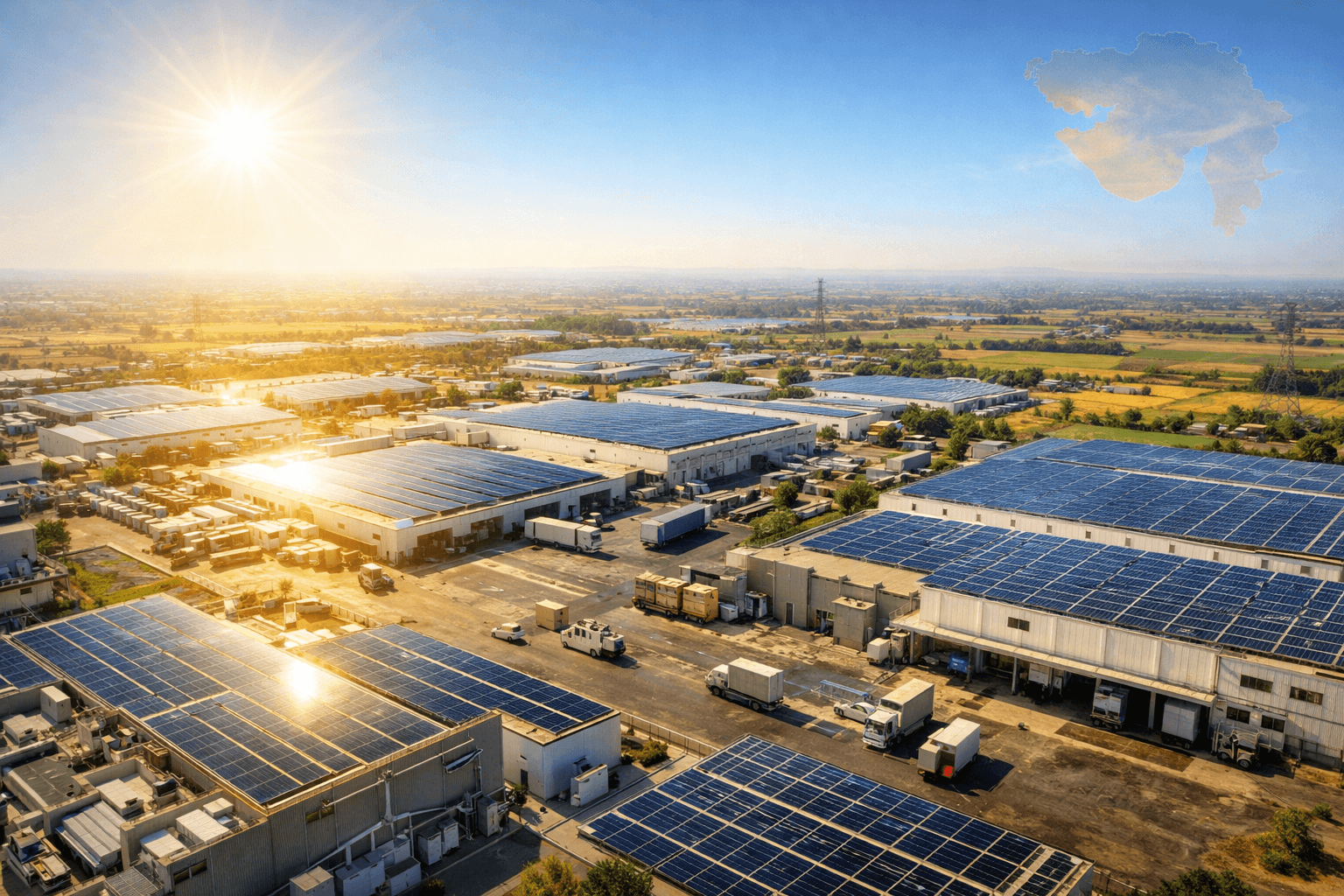
Gujarat's high solar irradiation makes it one of the best states in India to get maximum return from an industrial solar investment.
Average solar irradiation:
5.5 to 6.0 kWh per square meter per day
300+ clear, sunny days annually in most industrial zones
Active net metering policy under DGVCL, GETCO, and other state DISCOMs
Industrial clusters in Ahmedabad, Anand, Surat, Mehsana, Rajkot, and Vapi all sit in high-yield solar zones
Food processing clusters in Anand (dairy), Unjha (agro processing), and Rajkot (food exports) are especially well positioned for large-scale rooftop solar installations.
Industrial and commercial solar installations in India qualify for significant financial benefits that reduce your net investment cost.
Key incentives available for cold storage and food processing facilities:
Accelerated depreciation:
40% in Year 1 under Indian income tax rules, directly reducing your taxable profit
credits: Export excess solar units to the grid and receive bill adjustments
GEDA schemes:
Gujarat Energy Development Agency periodically offers incentives for commercial and industrial solar installations
PM Kusum components:
Certain agro and food processing units may qualify for subsidized solar components under relevant government programs
Your solar EPC provider will guide you through the exact incentives applicable to your facility type and size.
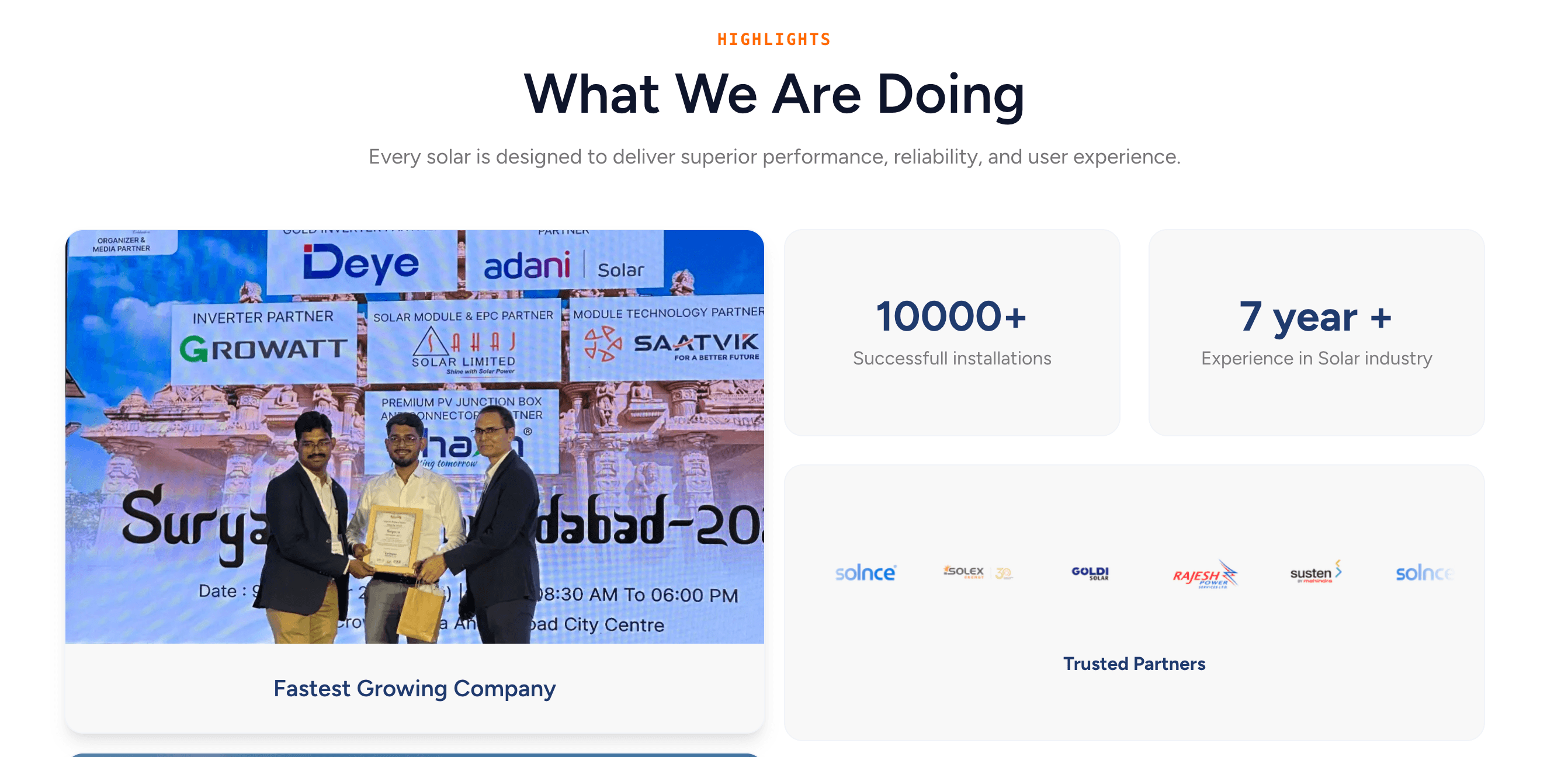
Earthwave Solar is a Gujarat-based EPC solar company with a strong track record in commercial and industrial installations.
Founded in 2018, Earthwave has executed projects ranging from 30 kW rooftop systems to 80 MW ground mounts.
Their industrial portfolio includes large factory installations that demonstrate direct experience with high-load commercial solar systems.
Commercial and Industrial Solar:
Systems designed for continuous, high-demand loads that reduce power expenses by 30–40%
: For facilities with limited rooftop space, ground-mounted systems deliver the same performance with added flexibility
: In-house manufactured inverters with up to 97% efficiency, available from 2.5 kW to 125 kW, each backed by a 10-year warranty and real-time smartphone monitoring
End-to-End EPC:
Earthwave handles site assessment, system design, transparent quotation, documentation, DISCOM approvals, and complete installation
Initial Consultation:
Understand your energy load and requirements, no sales pressure
Site Visit and Consulting:
Assess rooftop area, sun exposure, shadow mapping, and electrical setup
Design and Quotation:
Detailed system design with complete, itemized transparent pricing
Documentation:
All paperwork including DGVCL updates, net metering applications, and subsidy claims handled
Installation:
Certified technicians execute the build with precision from structure to wiring
Final Handover:
Full system walkthrough, monitoring setup, and ongoing guidance
If your monthly electricity bill exceeds Rs. 2–3 Lakhs, solar is almost certainly a financially sound decision for your facility.
Ask yourself three quick questions:
Does your facility run refrigeration or processing equipment for 8 or more hours daily?
Is your monthly electricity bill one of your top three operational expenses?
Do you have available rooftop or land area near your facility?
If you answered yes to all three, your facility is a strong candidate for industrial solar.
Every month without solar means paying full grid tariff rates that a solar system could have offset.
Yes. Solar offsets your compressor load during peak daytime hours, reducing grid draw without interrupting cooling. Your refrigeration system stays connected to the grid at all times, so there is zero risk to your cold chain.
On cloudy or low-irradiation days, your system draws more power from the grid automatically. Solar generation simply reduces; it does not cut off. Your cooling operations remain unaffected.
A facility consuming 40,000 to 80,000 units monthly typically needs a 150 kW to 300 kW system. A detailed site assessment by a qualified EPC company gives you the exact sizing based on your actual load profile.
Most cold storage and food processing facilities in Gujarat see full payback in 5–7 years. Given Gujarat's high solar irradiation and current grid tariff levels, some well-sized installations achieve payback in under 5 years.
Minimal disruption. Earthwave's installation process is designed for active facilities. Structural and panel work happens on the rooftop, and the final grid switchover takes only a few hours, planned with you in advance.
If you run a cold storage or food processing facility in Gujarat and want a clear picture of your potential savings, Earthwave Solar's team can assess your site, model your ROI, and give you a transparent, complete proposal.
No pressure. Just honest numbers that help you make the right decision for your business.
Contact Earthwave Solar today:
Website:
Phone: +91 90336 07212
Email:
Office: Surat, Gujarat
Or explore their industrial and commercial solar services to see how businesses across Gujarat have already made the shift to predictable, lower-cost energy.
FAQS
Can't find the answer you're looking for? Our team is here to help.
SUBSCRIBE NEWSLETTER
Switching to solar is easier than you think. Let us guide you to cleaner, more affordable energy.
