Solar Mounting Structure
How to Choose the Right Solar Mounting Structure
2026-05-23T00:00:00.000Z•9
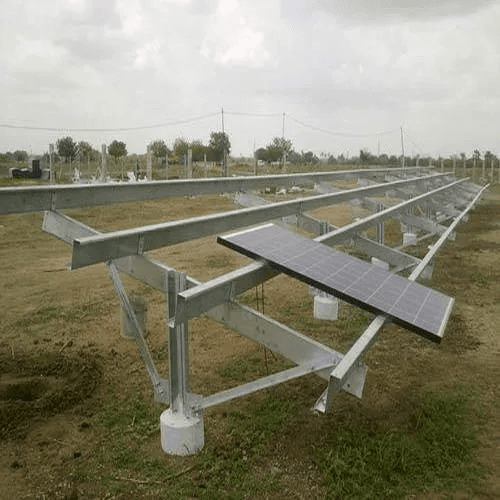
The right solar mounting structure depends on your roof type, site load capacity, wind zone, tilt angle requirement, and material budget.
Choosing wrong means poor panel output, structural damage, or expensive rework within a few years.
Roof type determines which mounting structure works. RCC, metal sheet, and trapezoidal roofs need different designs.
Wind load and seismic zone matter more than most buyers realize. Always match structure specs to your local zone.
Aluminum structures resist corrosion better. GI structures are heavier but cost less upfront.
Fixed tilt structures are standard. Adjustable tilt gives better output in locations with seasonal sun angle shifts.
Get a site inspection before finalizing any structure. No online guide replaces a physical assessment.
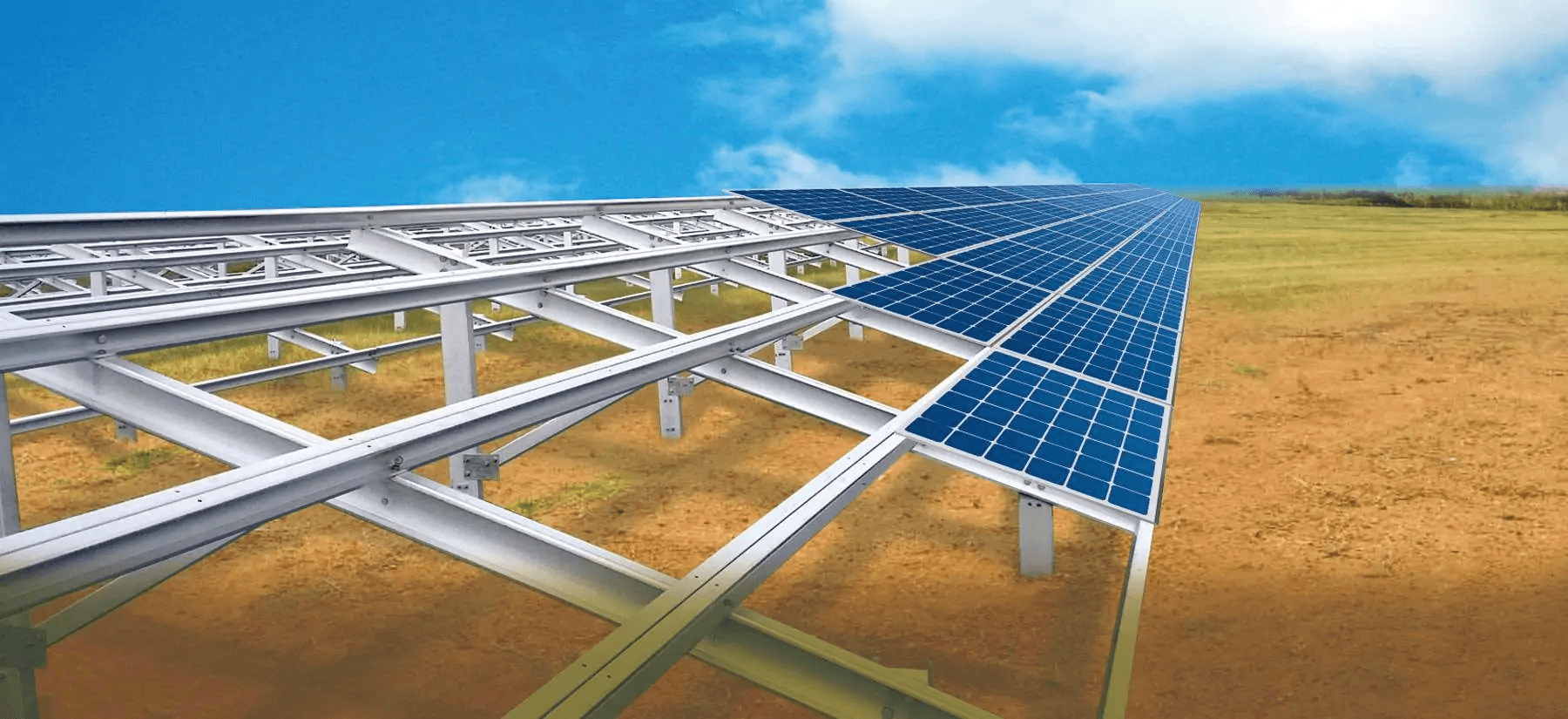
The solar mounting structure is the backbone of your entire solar installation.
It holds every panel in place, maintains the correct tilt angle, handles wind and rain load, and determines how easy the system is to maintain over 25 years.
Panel misalignment that reduces energy output
Roof leaks from incorrect drilling or waterproofing
Structural failure in high wind conditions
Difficult maintenance access
Shortened system lifespan
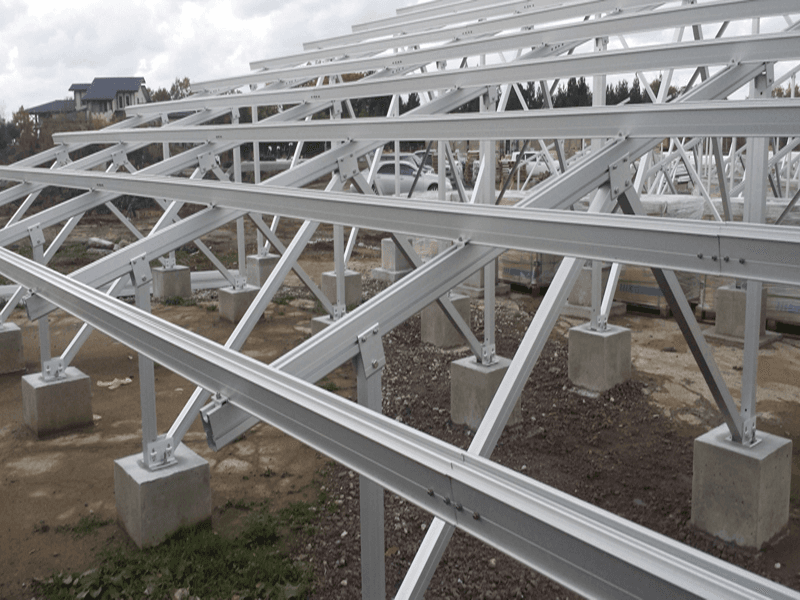
Getting this right before installation saves money, time, and frustration.
If your reader is still early in the journey, add an internal link here to Solar Panel Installation Process in India: Step by Step and What is an On-Grid Solar System and How Does It Work?
You cannot pick a solar mounting structure without evaluating these six site-specific factors. Skip even one, and you risk under-performance or safety problems.
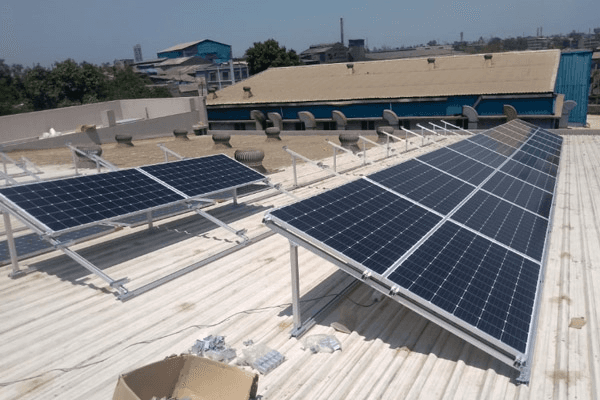
Your roof type is the first filter.
Roof Type | Suitable Structure |
RCC (concrete flat roof) | Ballasted or anchor-mounted aluminum frame |
Trapezoidal metal sheet | Hook and clamp mounting system |
GI sheet or color coated | Metal roof clamps, no drilling needed |
Ground (open land) | Pile foundation or concrete block frame |
For RCC rooftops, ballasted structures use weight blocks instead of drilling.
This preserves the waterproof membrane. For metal sheet roofs, clamp-based systems avoid roof penetration entirely.
For readers comparing rooftop system options, see our Residential Rooftop Solar, Rooftop Solar Services, and Commercial Rooftop Solar for Factories and Warehouses guides.
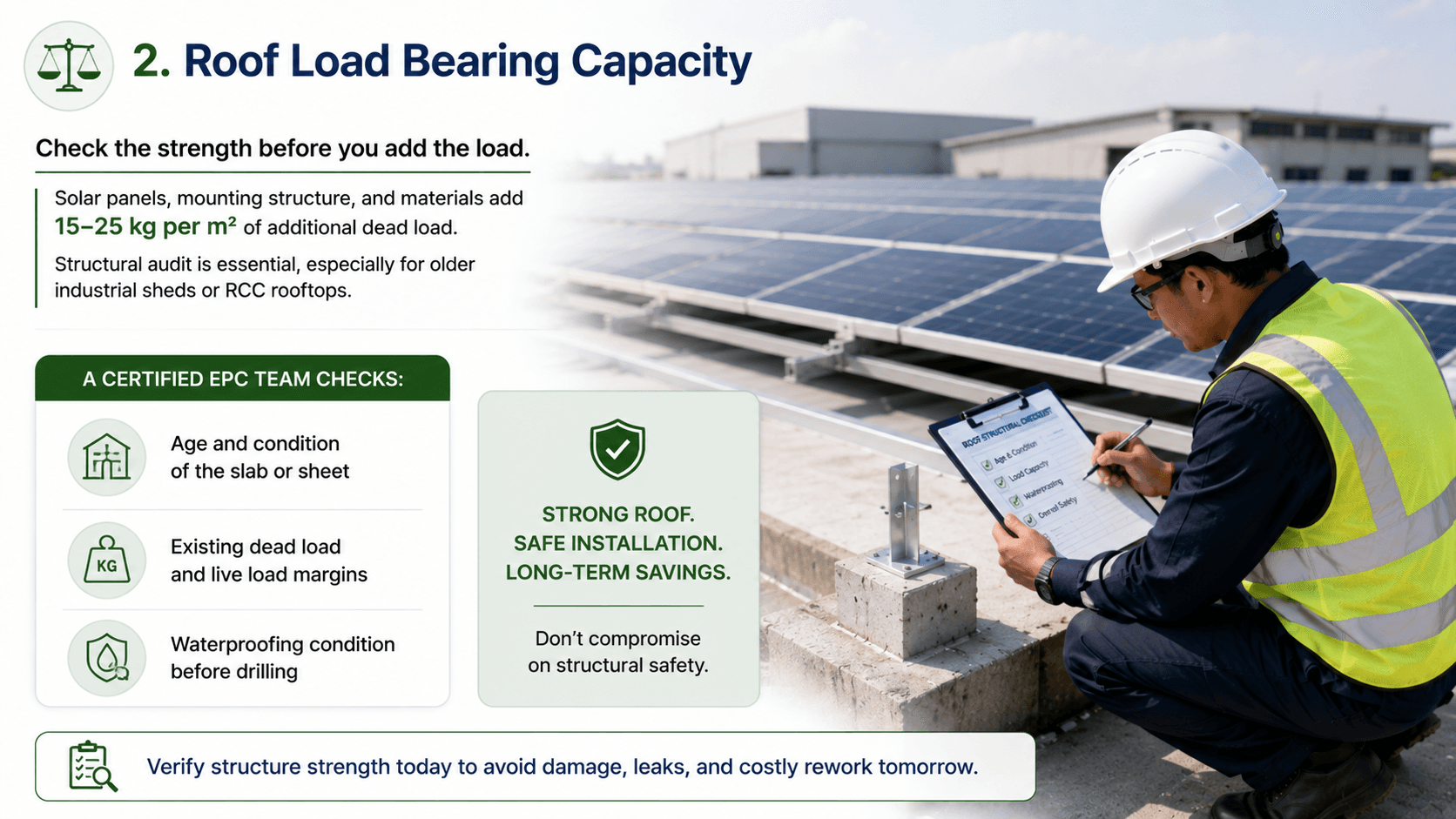
Never install solar panels on a roof without checking its load bearing capacity first.
Solar panels, the mounting structure, and installation materials together can add 15 to 25 kg per square meter of additional dead load.
For older industrial sheds or RCC rooftops built decades ago, a structural audit is non-negotiable.
A certified EPC team checks:
Age and condition of the slab or sheet
Existing dead load and live load margins
Waterproofing condition before drilling
Before approving any structure, also review Solar EPC Process Gujarat, Solar EPC Company Checklist India, and Solar EPC Red Flags Gujarat.
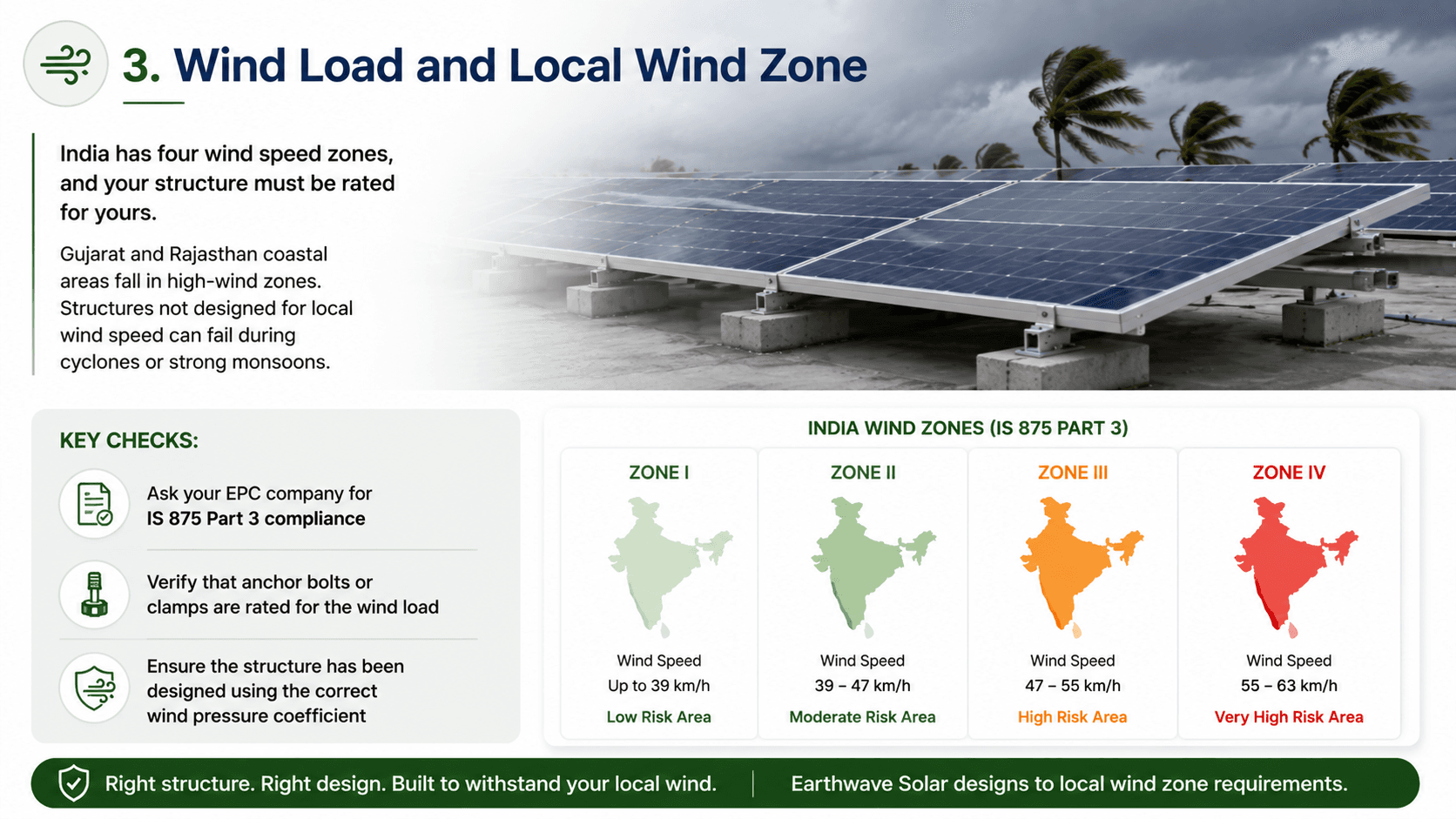
India has four wind speed zones, and your structure must be rated for yours.
Gujarat and Rajasthan coastal areas fall in high-wind zones. Structures not designed for local wind speed can fail during cyclones or strong monsoons.
Key checks:
Ask your EPC company for IS 875 Part 3 compliance
Verify that anchor bolts or clamps are rated for the wind load
Ensure the structure has been designed using the correct wind pressure coefficient
For coastal Gujarat, wind load specifications are stricter than inland regions.
Earthwave Solar designs structures to local wind zone requirements during the site engineering phase.
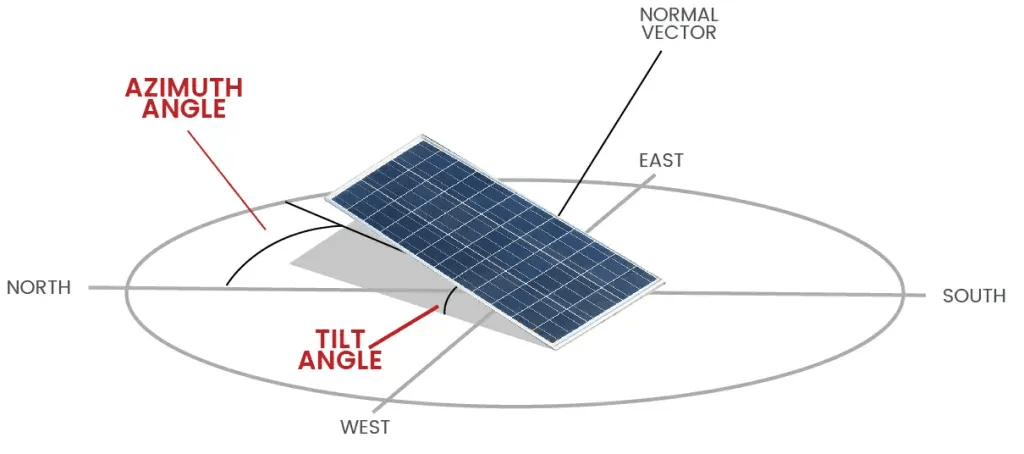
The tilt angle of your solar mounting structure directly affects how much energy your panels generate.
A fixed tilt between 10 to 25 degrees works well for most Indian rooftops.
work well at 15 to 22 degrees fixed tilt
East-west mounting on flat roofs can allow more panels per square foot
Adjustable tilt structures are useful in locations with large seasonal variation
Pro tip: A fixed tilt structure that is correctly angled at installation performs reliably for 25 years with zero mechanical parts to maintain.
To understand how layout affects output and returns, read **Solar Panel Mounting Structure ROI India.**
Aluminum and galvanized iron (GI) are the two main materials for solar mounting structures in India. Each has a clear use case.
Lightweight and easy to install
Naturally corrosion resistant, no painting needed
Preferred for rooftop and coastal locations
Slightly higher upfront cost
Heavier and stronger for large ground mount projects
Lower material cost for multi-megawatt installations
Needs regular inspection for zinc coating degradation in humid areas
Standard choice for utility-scale and industrial ground mount solar
For industrial rooftops and ground mount solar above 500 kW, GI is the cost-effective choice.
For residential and commercial rooftops, aluminum structures offer better long-term durability.
Your mounting structure faces weather exposure for 25 years, so corrosion protection is not optional.
In coastal Gujarat, high humidity, salt air, and rain make this especially important.
Check for:
Hot-dip galvanizing on GI components (not just paint)
Anodized finish or marine-grade aluminum for coastal sites
Adequate spacing between panel rows for maintenance walkways
Cabling channels integrated into the structure for neat installation
Pro tip: Ask your EPC company for the coating standard and thickness specification before approving the structure design.
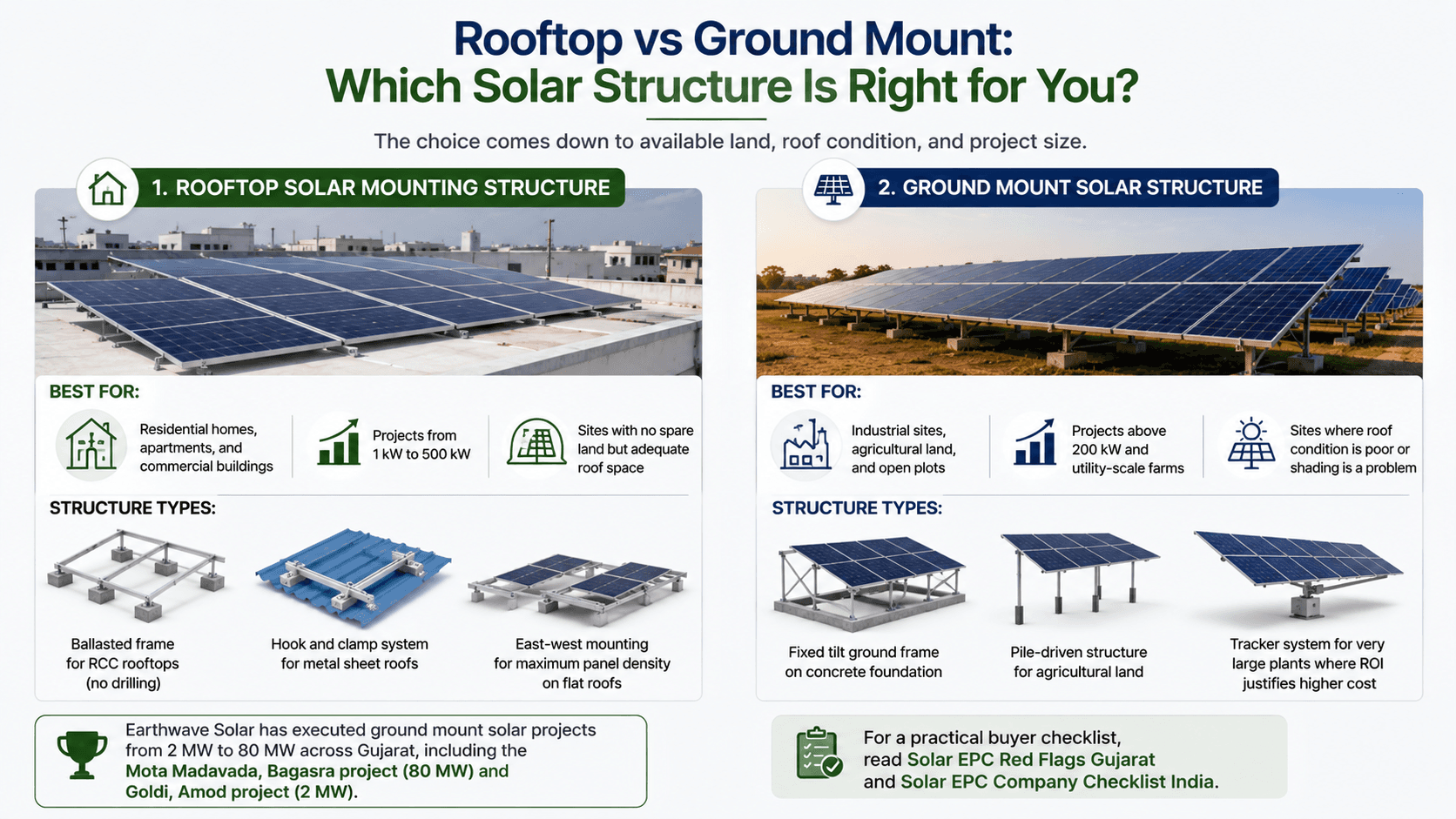
The choice between a rooftop and ground mount solar structure comes down to available land, roof condition, and project size.
Best for:
, and commercial buildings
Projects from 1 kW to 500 kW
Sites with no spare land but adequate roof space
Structure types:
Ballasted frame for RCC rooftops (no drilling)
Hook and clamp system for metal sheet roofs
East-west mounting for maximum panel density on flat roofs
Best for:
, agricultural land, and open plots
Projects above 200 kW and utility-scale solar farms
Sites where roof condition is poor or shading is a problem
Structure types:
Fixed tilt ground frame on concrete foundation
Pile-driven structure for agricultural land
Tracker system for very large plants where ROI justifies higher cost
Earthwave Solar has executed ground mount solar projects from 2 MW to 80 MW across Gujarat, including the Mota Madavada, Bagasra project (80 MW) and the Goldi, Amod project (2 MW).
For a practical buyer checklist, read Solar EPC Red Flags Gujarat and Solar EPC Company Checklist India.
Most structure problems come from skipping the site inspection phase or choosing based on price alone.
Here are the mistakes to avoid.
Choosing a structure without a structural load audit of the existing roof
Picking the cheapest GI frame without checking the galvanizing standard
Installing panels at a tilt angle copied from a brochure instead of optimized for the site
Using a structure not rated for the local wind zone
Not planning maintenance access corridors during the design stage
Ignoring waterproofing requirements when drilling into RCC slabs
Each of these mistakes costs more to fix post-installation than it would have cost to get right the first time.
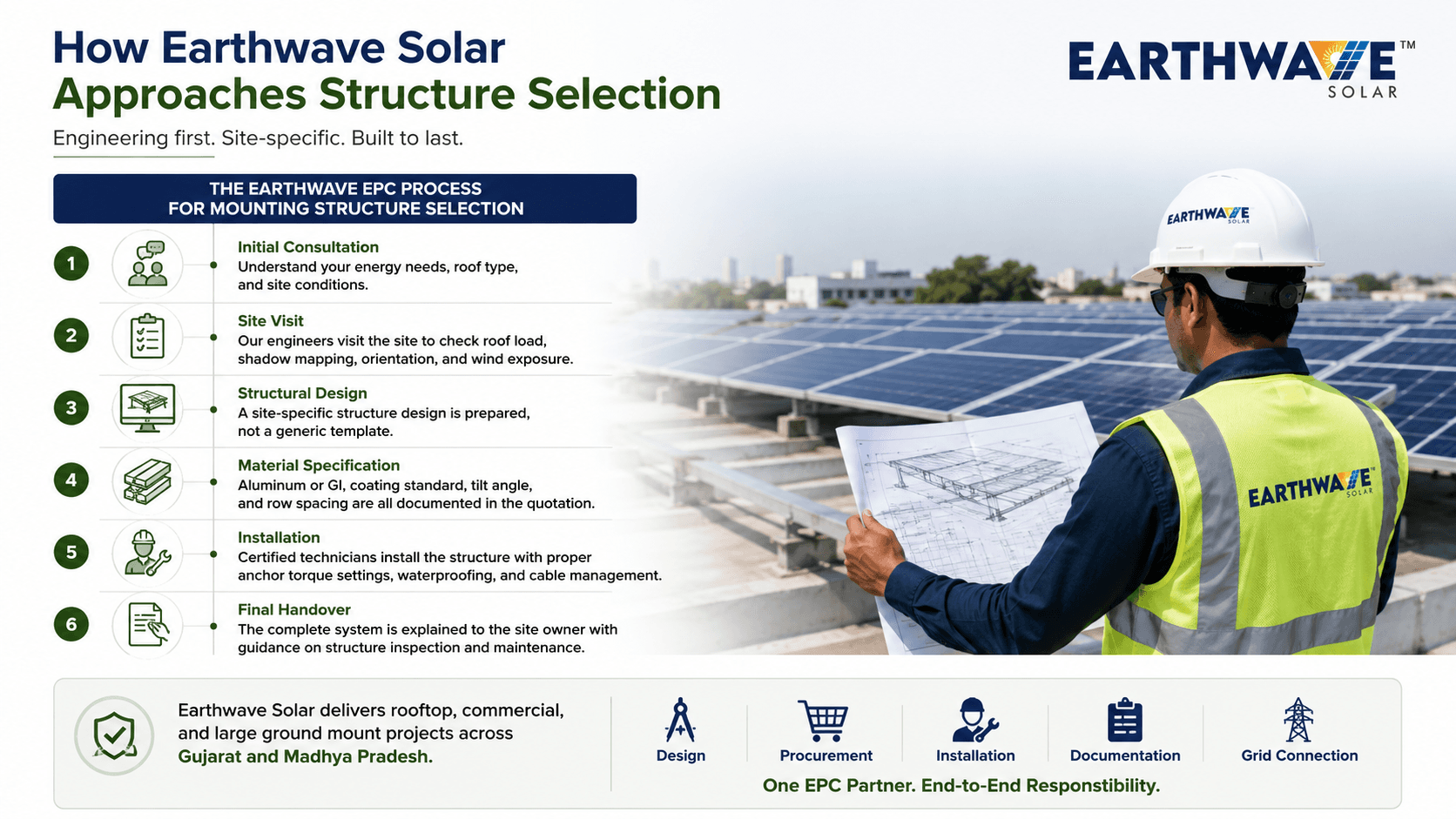
At Earthwave Solar, structure selection is an engineering decision, not a product recommendation.
Every project begins with a physical site visit and a detailed assessment before any structure is specified.
The Earthwave EPC process for mounting structure selection:
Initial Consultation:
Understand your energy needs, roof type, and site conditions.
Site Visit:
Our engineers visit the site to check roof load, shadow mapping, orientation, and wind exposure.
Structural Design:
A site-specific structure design is prepared, not a generic template.
Material Specification:
Aluminum or GI, coating standard, tilt angle, and row spacing are all documented in the quotation.
Installation:
Certified technicians install the structure with proper anchor torque settings, waterproofing, and cable management.
Final Handover:
The complete system is explained to the site owner with guidance on structure inspection and maintenance.
Earthwave Solar has delivered rooftop residential projects, commercial solar installations, and large ground mount projects across Gujarat and Madhya Pradesh.
The team covers design, procurement, installation, documentation, and grid connection under one EPC contract.
A ballasted aluminum frame is the most common choice for flat RCC rooftops. It uses weight blocks instead of drilling, which protects the waterproof layer. The tilt angle is typically set between 10 and 25 degrees based on location.
Aluminum is better for most rooftop solar installations because it is lightweight, corrosion resistant, and requires no repainting. GI structures are better suited for large ground mount projects where strength and cost at scale matter more than weight.
You need a structural load assessment before installation. A qualified EPC company will check the roof slab age, existing loads, and available load margin. Never skip this step for rooftops older than 10 to 15 years.
For Gujarat, a fixed tilt angle of 15 to 22 degrees facing south works well for most of the year. East-west mounting is also used on flat rooftops to increase panel density. Your EPC company will calculate the optimal angle based on your latitude and roof orientation.
No. Ground mount solar structures use different foundations, including concrete footings or pile-driven columns, to handle higher wind loads and soil conditions. The design, material specification, and installation method are different from rooftop systems.
The right solar mounting structure comes from a proper site inspection, not a guess.
Earthwave Solar provides end-to-end EPC solar services across Gujarat and Madhya Pradesh.
From your first inquiry to final grid connection, the team handles site assessment, structural design, installation, and documentation under one contract.
Contact Earthwave Solar for a free site consultation.
Surat (Gujarat):
+91 90336 07212
Bhopal (M.P.):
+91 90336 02156
Email:
Website:
FAQS
Can't find the answer you're looking for? Our team is here to help.
SUBSCRIBE NEWSLETTER
Switching to solar is easier than you think. Let us guide you to cleaner, more affordable energy.
